Cycle Cycle
It’s time to let cycle Steve just be Steve again.
I love how the word “Cycle” looks like a bike.
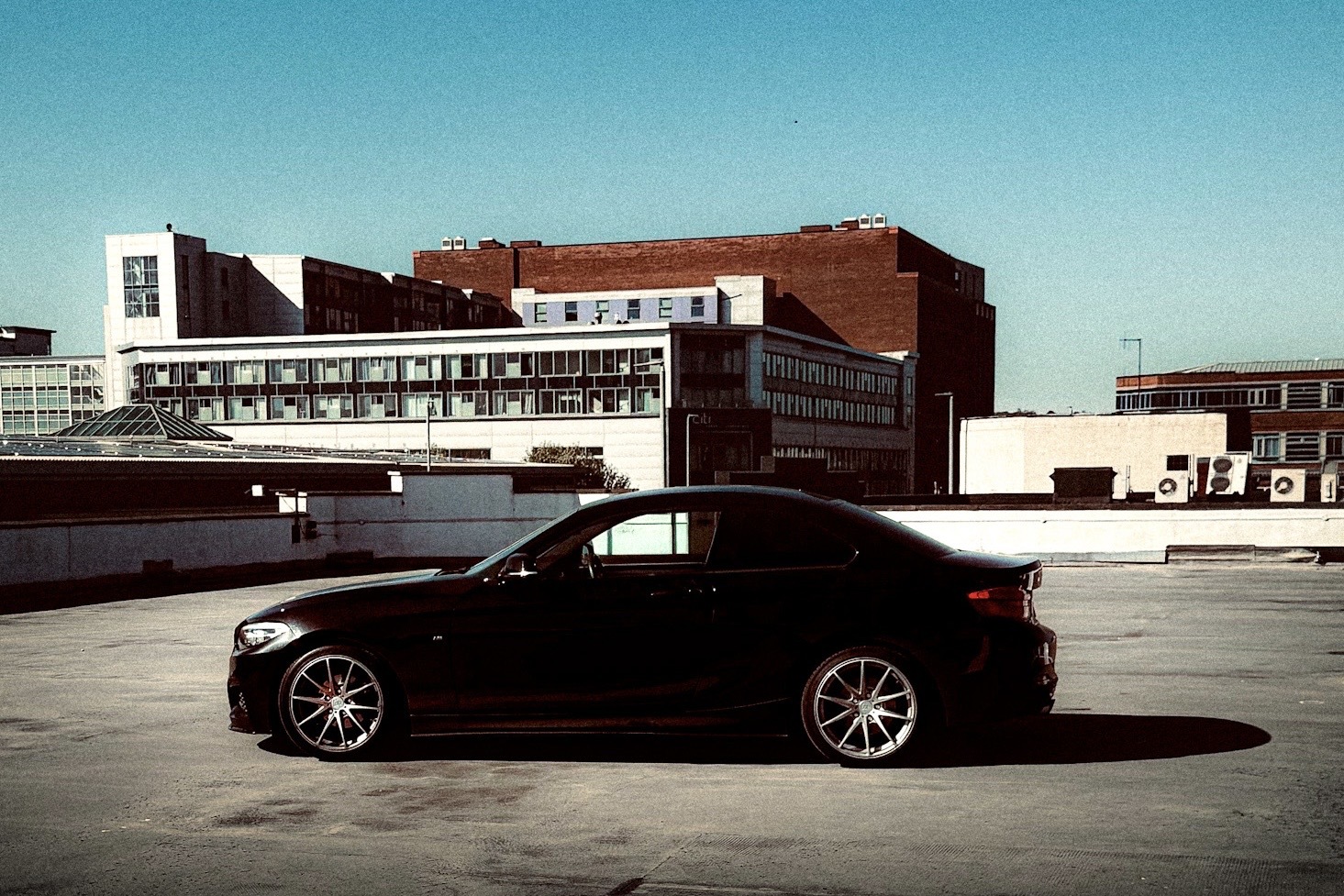
Motorsport has been a big thing in my family. My uncle was in love with cars and motorbikes. He was always tinkering with something, or making a new part for his motorbike. It’s likely not genetic, as I’m going to talk about, but still, I think there’s something I inherited in it.
I like their shape, I like the freedom they convey, I like the power, I like the sound, the smell of petrol and I like the speed. Yeah… roll your eyes, anyway.
Recently my on-off love affair with my bicycle was rekindled. I went on a cycle around Manchester to Chorlton Water Park, rode through the streets after a couple of pints and felt amazingly free in a way I only usually feel when I’m climbing. I think I’d forgotten how nice it is to be outside rolling down the road with the wind in your face.
One thing I’ve been really appreciating is that distances become physical. Streets that usually blur past the car window suddenly have oblique corners, smells, bad bits of tarmac, drains, little ginnels, people outside shops and little dogs barking behind fences.
Anyway, the routes round Leeds and Manny are hardly Alpine scenic. But I’ve been trying to use the bike more and more around Leeds, and one thing has become pretty obvious to me: it is too easy to get in the car.
Obviously, there is a convenience to the car that the bike doesn’t have. I’ve not refined my bike routine well enough yet. There’s at least 5 minutes of faff before I leave on the bike:
- Check weather
- Check route
- Inevitably; are these trousers too baggy? Are they gonna get caught in the chainring?
- Helmet (will this fuck up my hair?)
- Bag (possibly need the hoodie and other associated crap)
- Bike lock
- Tunes in headphones (Sonic Youth is good for Leeds riding, nice blend of aggression and control)
- Wheel the bike out the door
- Keys in/out of backpack (this happens a few times as I forget things and have to go back inside)
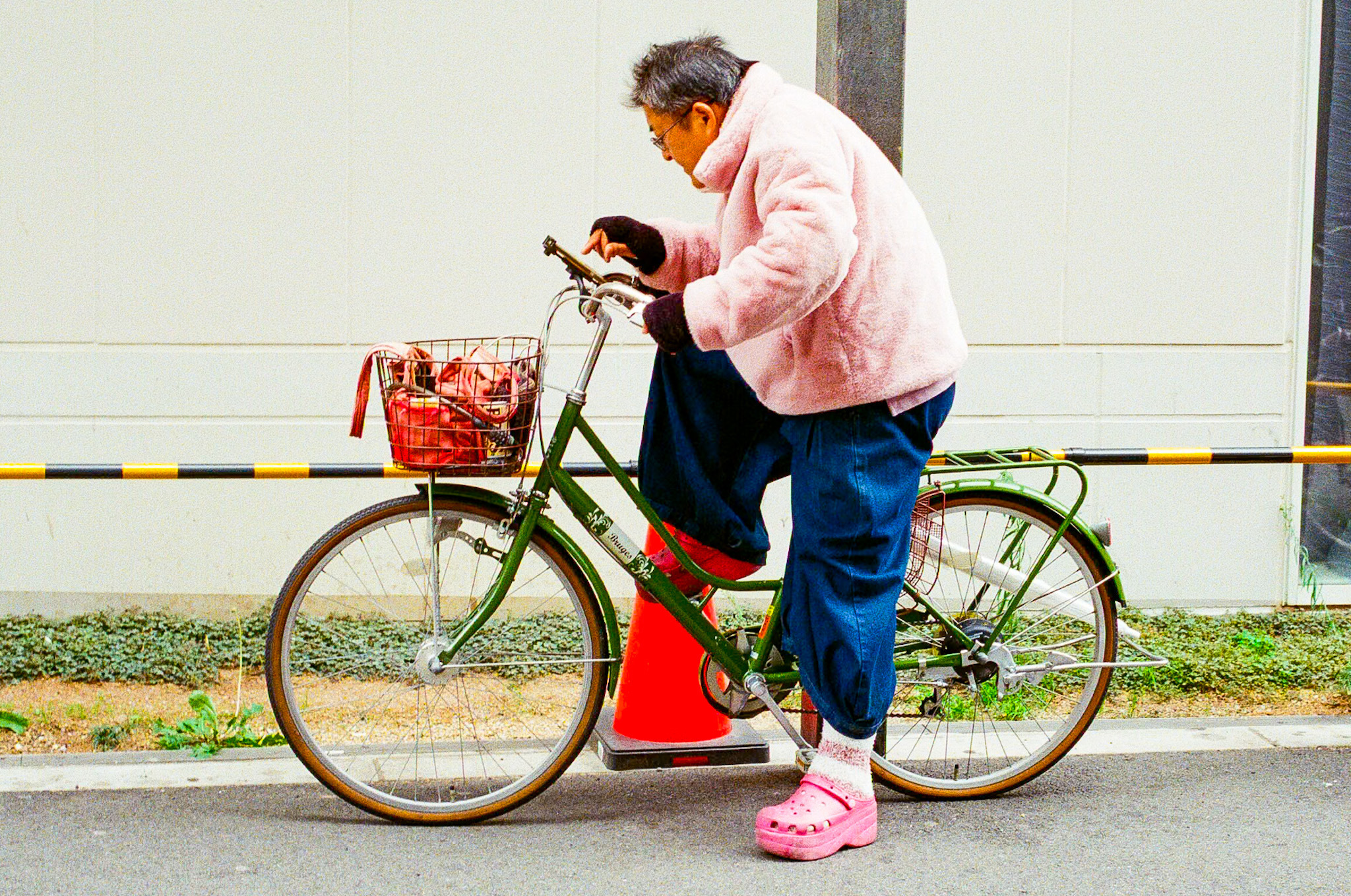
With the car you just pick up your keys and leave. Car related action has almost no friction, so eventually the thought disappears too. For me driving became one of those decisions you make so often that you stop thinking about it.
Every other mode of transport becomes the actual decision.
It’s not a walk or bike first, then a car kind of decision.
I’m ashamed to say in my 30-odd years I think I always just thought a choice like that was for people who either didn’t have a car, or were fitness freaks.
Anyway there’s a term for this car-first mentality called motonormativity.
Psychologists Ian Walker and chums define it as a social bias in which people judge motorised transport differently (read: better) from comparable activities. Their argument is that motorised mobility has become so normal that people apply a distinct set of moral and social standards to it.
Essentially, the car is so culturally ingrained we don’t even think about the negatives, or the alternatives.
The researchers tested this bias by giving participants pairs of almost identical statements.
One pair asked whether people should smoke where other people have to breathe the ciggie fumes. The alternative statement asked whether people should drive in places where other people have to breathe the car fumes.
Across the sample, the vast majority thought it was acceptable for the car and unnaceptable for the smoking. Other questions compared loud music with loud cars, motor vehicles with dangerous machinery, public subsidy for motorists with one for cyclists, you get the idea.
They all come out (in varying degrees) in favour of the car.
I really liked these examples because they make the underlying assumption visible without requiring any political ideology. The TLDR: it’s clear we don’t judge the car according to the same principles we use elsewhere, like for smoking or music.
Imagine explaining some of our road system to an alien who had never seen a car.
Stop. Look. Listen. Remember that one? Kids learn from an early age that crossing a street requires caution because they might die. But when you think about it that’s really shameful isn’t it. Shouldn’t pedestrians have the right of way? Can you imagine if the traffic lights were all red by default and cars had to press a button to make them go green?
For the record, no one is saying we should give up on cars. Obviously, if you need to move a sofa, you need a car. Likewise, if you can’t ride or walk (for any reason), you need the car. All the study is saying is that we judge motoring based on a different set of criteria to everything else.
The average motonormativity score was significantly lower in the Netherlands than in either Britain or the United States. Basically, if you build safe pedestrian/cycling infrastructure, make cycling as ordinary as the car, then the cultural meaning of the bicycle changes.
In the UK, cycling still sounds (to me) like the name of a sport. That kind of image puts me off, it’s giving annoying dudes in lycra, time trials, and king of the mountain Strava PBs.
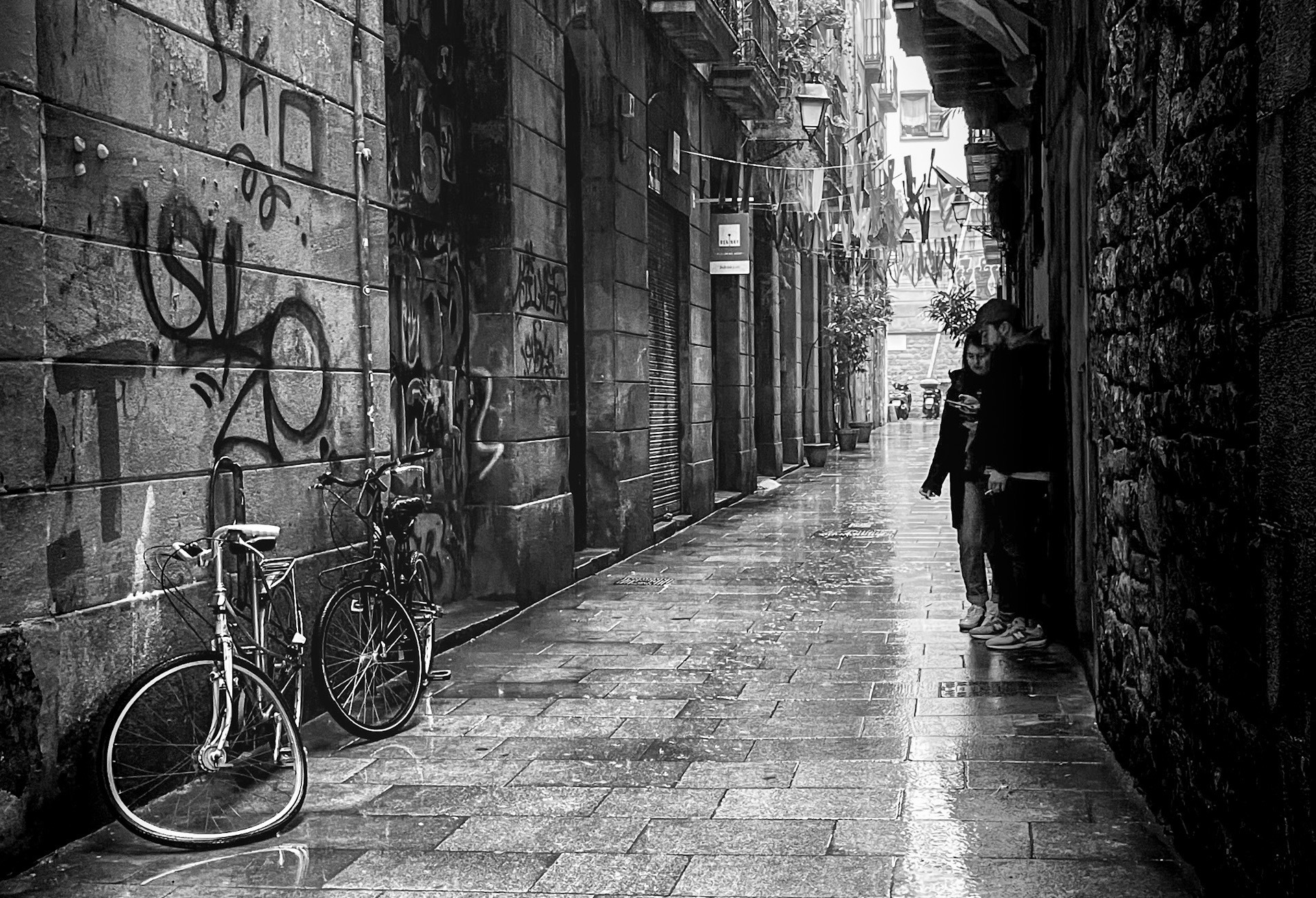
But it’s actually quite good just using a cheap bike to go to the pub, you know what I mean?
Even the phrase “cyclist” is strange when you think about it. Why are we describing Steve as somebody according to his mode of transport? When he drives his Ford Focus to work he remains Steve.
When he rides, he’s Steve the cyclist.
There is a utopia where we have massive cycle lanes alongside perfect roads and it’s all interconnected beautifully. But ultimately, everyone really just wants to go where they want in whatever way makes sense. We don’t need the utopia, but the important bit is that one of those choices doesn’t arrive pre-selected by the shape of the road or city.
Currently, choosing between driving on a road designed for cars and cycling on the same road while hoping you don’t die isn’t quite an equal choice.
I guess the dream is just that one day nobody thinks twice about how you got there.
And cycle Steve can finally just be Steve again.