How we turn people into symbols
And for the lady, will you be painted as you are? Or as you would like to be?
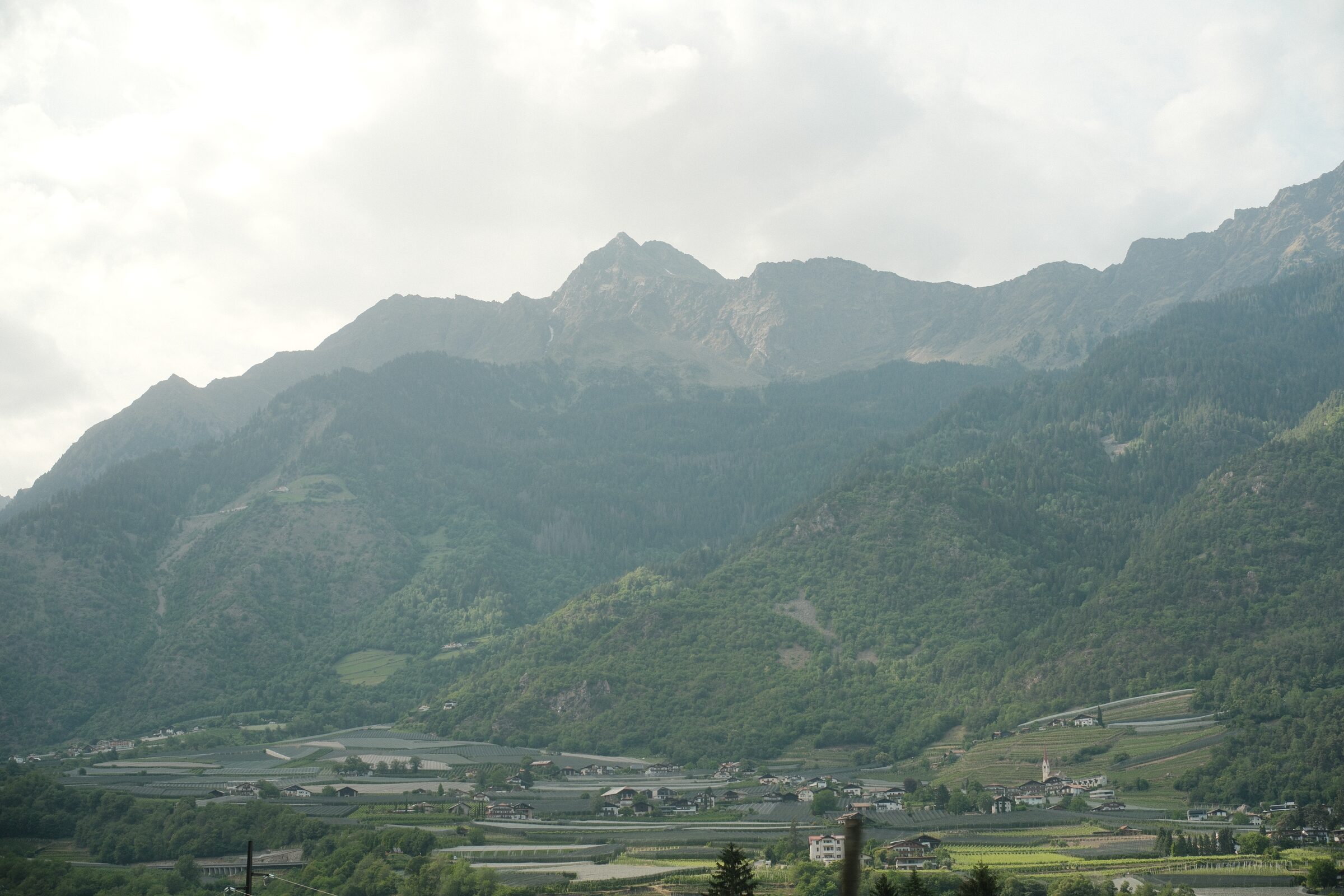
I’m sitting in a garden in Merano, South Tyrol, Italy as I write this. The two double espressos I’ve had are doing most of the writing for me and to be honest, while very beautiful, Merano is a funny kind of place. There are lots of German tourists here, very few Brits, and the Italians I’ve encountered seem to slightly resent the Germanification, especially of the food. For once, I am not the Brit abroad, but the outlier.
Which sounds far more glamorous than it is. I’ve got a cold, and my head is full of things I’d rather not think about.
I landed at Caravaggio Airport, which sits outside Bergamo, about forty miles from Milan, serving northern Italy and a steady stream of tourists heading towards lakes, mountains and far too expensive sunglasses. Like most airports, it consists largely of queues, fluorescent lighting, rent-a-car booths and people trying to remember where they put their passports.
But I found myself thinking about the name.
Il Caravaggio.
It’s one of those names that arrives kind of bloated with significance. Even if you don’t know the art, you know the name. The sort of name you learn at school, encounter in galleries, or around a dinner table where you feel a bit out of your depth. A guy so thoroughly absorbed into culture that he begins to feel like he wasn’t even a real person and more like a category. For some reason, I think of him a bit like David Bowie.
A genius, a master.
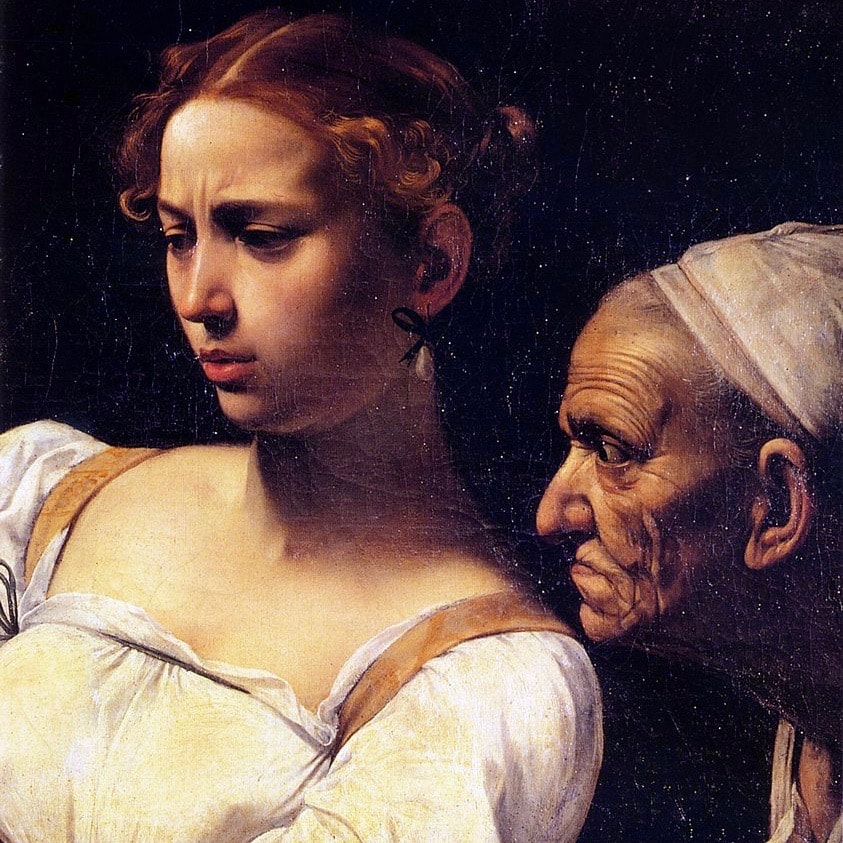
And the best thing is, Caravaggio was also just a very flawed bloke. He got into fights, carried weapons, spent nights drinking in taverns and spent mornings dealing with the consequences. Friends in high places usually got him out of whatever predicament he was in, until he accidentally killed a man in a duel. Then he spent years running. Going from town to town, painting a masterpiece in each place that offered him shelter and protection. Which, eventually, in a tragic turn of events, led to his death. Rockstar murderer of his day, surely.
History has a habit of removing the details from extraordinary lives unless you specifically go digging for them. We love to romanticise people, and smooth away any rough edges until only their influence remains.
Eventually a person becomes like a piece of furniture. A name on a wall and a chapter in a textbook. Or a number in a phone, but we no longer call. For Caravaggio, a gallery label for people like me to admire centuries later. As though he emerged fully formed from the Renaissance carrying a paintbrush as his destiny, and conveniently forget that he experienced himself from the inside out, exactly as everyone else does.
He never knew he was going to be the one and only Caravaggio. He was just a guy who painted religious murals, trying to navigate a life that seems to have been consistently on the verge of falling apart, until it did.
His paintings reveal something really special that I love. The saints in his work don’t look distant or angelic, they look really tired, dirty, often disgusted, and vitally, human. I’ve since learned that he used ordinary people as his subjects.
A sex worker as the Virgin Mary and a stonemason as Saint John.
What a guy.
I also absolutely love that he refused to paint fruit without some rot creeping in. Every apple and grape carries a blemish, even paradise gets a bruise.
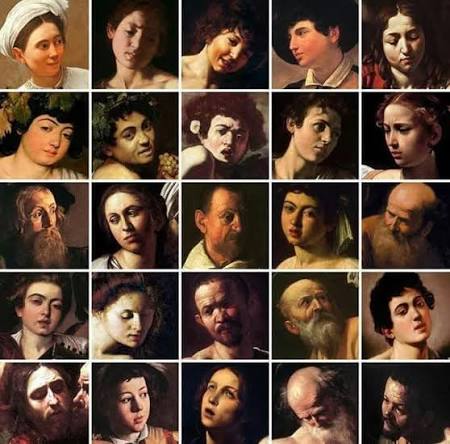
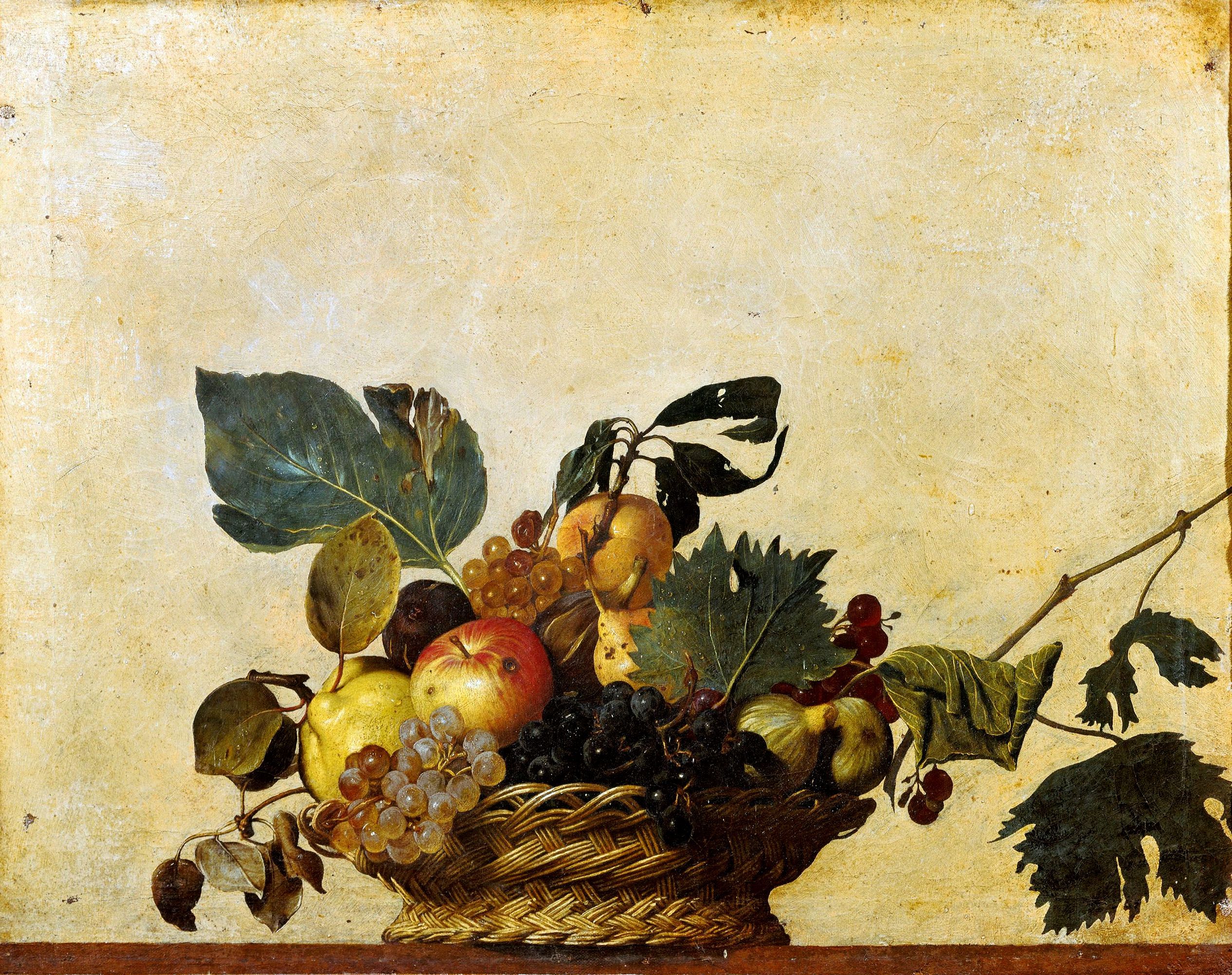
Compare that to Botticelli’s Birth of Venus, probably one of the most famous paintings in history. That painting is beautiful, but Venus doesn’t feel real, she exists only as an ideal. Caravaggio seemed interested in the opposite, the flaws are what make people real.
He didn’t paint realistically in the modern sense, but he clearly understood that life, even a saint’s life, is lived at ground level. They all still woke up wondering what the day might bring. They worried about money. They got ill and died like normal folk. They embarrassed themselves, fell in love, and made decisions they regretted.
The selective historian arrives on scene much later, usually after we die.
A few hours after landing, I was driving north towards South Tyrol. The landscape began to lift into mountains. Lush green vineyards perched on impossibly steep slopes, and villages gathered around church towers in the way mushrooms gather at the base of old trees. Intimidating formations of granite passed by my window. And the road wound steadily like a river through the valley floor as the mountains grew higher and higher above.
Travelling is funny, and I mean the journey, not the destination. Long drives, airports, train stations. It creates these gaps in the normal rhythm of life where thoughts can arrive a bit more detached from the normal ones. The bullet train in Japan was great for it, I wasn’t a writer then, but I should’ve been.
Anyway, the point is, maybe we spend too much time imagining that meaning belongs to those people who have already become something. The celebrated, accomplished, the revered and remembered.
Memory celebrates and critiques what someone became to us. The more important question is whether we can still see them as a real person at all.