is sport the healthiest form of avoidance?
On sports, self-image and the cost of improvement.
Recently someone said to me “you’ve lost weight.”
Ohhh cheers pal, I hadn’t noticed.
I lost 4 kilos in 3 weeks because I was ill and couldn’t eat properly.
If you must know.
Anyway — what follows is an account of my extremely healthy relationship with self-image. Maybe it’ll be useful to you.
At school, some of the lads were filling out their shirts. Lucky for me, I was confident and relatively popular. Shocker, I even had girlfriends. Annoyingly, something still didn’t sit right — and I had this sense that maybe it never would.
By my early 20s, I was assisting in music studios. The bodily insecurity was still there, but I had an enviable niche job and they didn’t. That was enough to forget about it.
Hanging out with the celebrity-adjacent felt so cool. Until it wasn’t. Suddenly it all looked the same shade of shit. Just different flavours of cocaine-fuelled egotists. I was fooled, and participated for too long. Yeah, my body was moving and my life was “full”, but nothing felt very good for very long.
I walked away. What was left was grief.
In the aftermath, I rediscovered sport — like a crispy fiver down the back of the sofa. After a while, I even earned the classic “have you been working out?” In a tone that sounds more like a profile update for them than a question for me. The loud (compensating) types love to backhand compliments like that.
Outwardly, smiling: “yeah, thanks.”
Internally, with the middle-finger: “fuck off, prick.”
I was working out. But not for them, especially not for that individual. I was young, and very sad about leaving music. I had too much energy, too many thoughts, and nowhere healthy to burn it.
Besides — I’d discovered something interesting about myself.
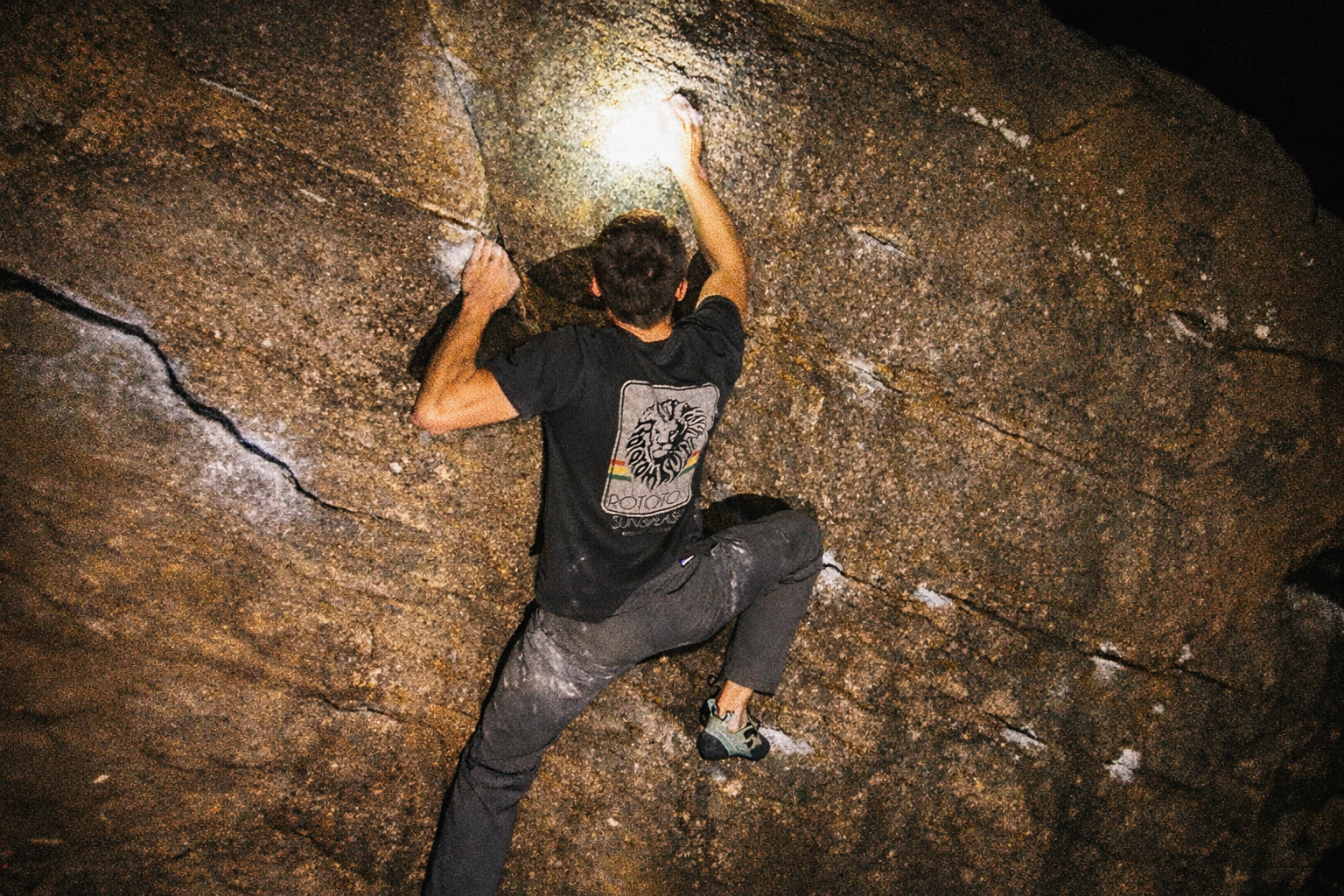
Sure, people enjoy the bod, and that feels good. But far more importantly, I was learning how internal peace can come from progression.
A lot of sports give you that. Individual ones are the best.
I read Depression Hates a Moving Target by Nita Sweeney a few years ago. I’ve not been clinically depressed. But I have been very sad. And I recognised something familiar in it — I’ve been keeping myself in motion for most of my adult life. Admittedly, not always in the healthiest way.
I’ve noticed sports are a bit like a budding relationship. Taken seriously, they don’t distract you from yourself — they slowly (re)introduce you to you. The confident, the doubtful, the hopeful, the potential and so forth.
If you go far enough, a much deeper question is revealed:
How much are you willing to change?
The potential aspect is the most unnerving. Progress tends to be unfairly disorienting. Half of you is saying, I’m on the right path. The other is screaming to get out. And because positive change is annoyingly slow, it’s not always clear which one is correct.
Someone once said to me, “I don’t understand how you’re so aligned.”
Fucked if I know, babe.
But seriously, I didn’t know what to make of it. I’d never considered myself “aligned” before. Now, I take it as one of the best compliments I ever received. It feels like proof that leaving the old life behind was the right call.
Ironically, I noticed they’re also a bit happier whenever they have a sporty project on the go.
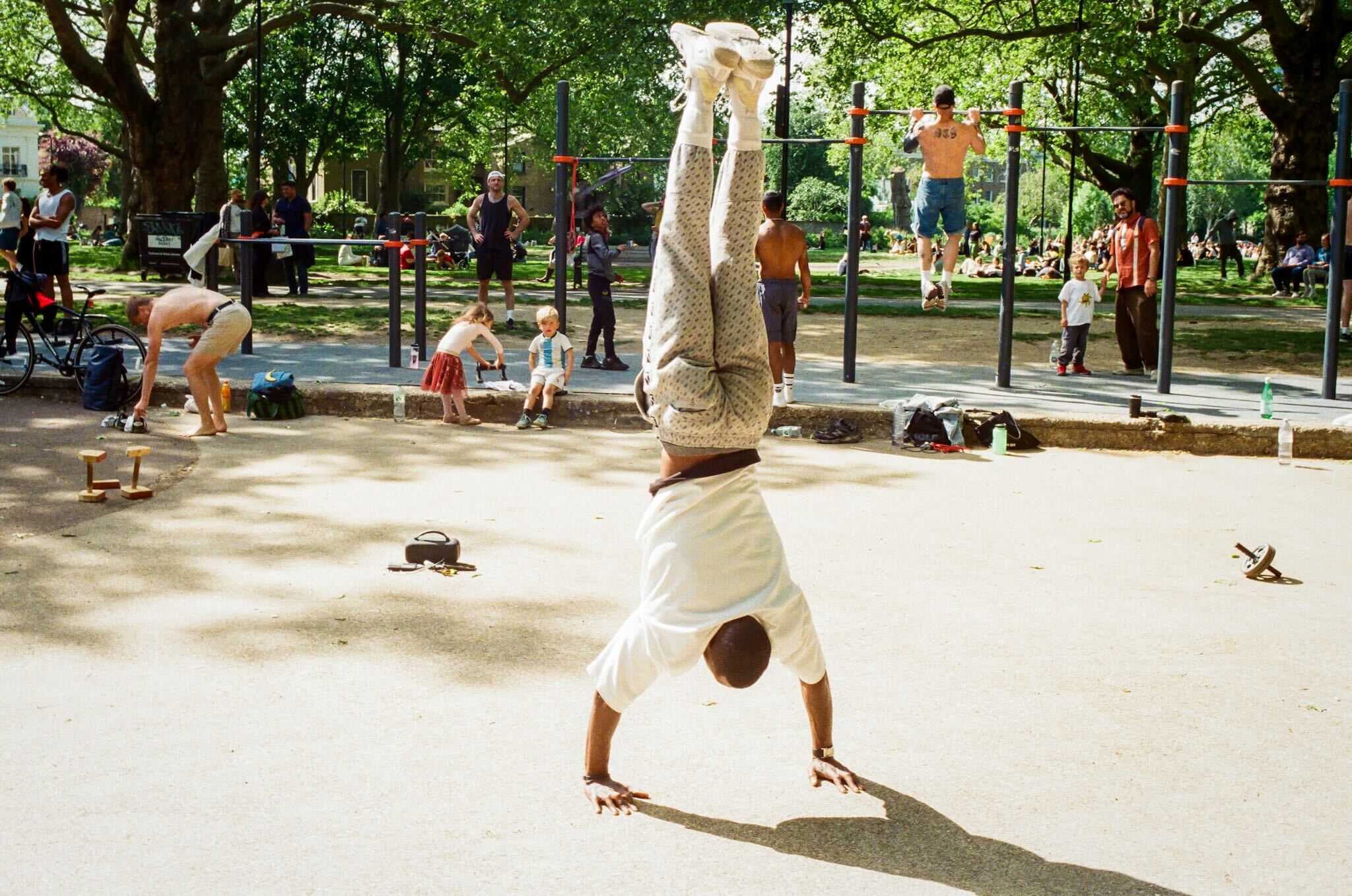
In other (semi-related) news, I vividly remember my childminder forcing me to eat a sandwich.
It was disturbing. I remember feeling chained to her force of will. I hated the whole thing — especially her, and her sandwich. I remember thinking, why is it okay for this fat lady to tell me what to eat? Still, I ate because she was scary to eight year old me.
Don’t know exactly what that did, but it’s there.
When I miss a few training sessions a sense of shame comes knocking — looking for permission to feel okay in my body. Occasionally I catch my reflection and feel like a project. Maybe I eat (or train) a little more, or less, or skip a meal. If anything, it’s weirdly motivating.
It’s sport that gives us a routine for keeping that shame at bay.
We don’t talk about that part as much. We’re so good at focusing on the extremes when it comes to eating and training. But there’s this hazy, amateurish middle ground that people love to ignore. Probably because it doesn’t really cause any obvious “problems”.
There’s a meme, “runners, what are you all running from?” Funny, yes. But if you read between the lines, it’s saying movement is avoidance.
Truthfully though, out of all of the healthy “coping strategies” (ew) — which other one should we pick? Moderation? A long walk? Most of us don’t do moderation very well. That’s why we’re training instead of sinking pints and popping pingers every weekend.
At least we know ourselves. You’re either insufferably privileged or in denial if you think we’re insecure and you aren’t. If you are running from something, good for you. It beats going stale on the sofa by a mile.
As with many things, it’s the earlier (usually childhood) ideas that lodge themselves so deeply. Often the ones about self-image dress themselves up as discipline later on — for better or for worse.
This is usually compounded for those who hate feeling “average.”
I guess we’re scared of failure. Toxic? Maybe. But you can’t deny it’s reliable fuel. We show up. We train. We bleed. That dedication often applies to many aspects of our lives, not just the exercise part.
I took four weeks off recently because I got ill. I even went to the climbing gym when I was still recovering. I googled from my bed (shamefully, multiple times): “how long before performance dips in sport?” — c’mon, dude.
In the warm light of day, with cherished company, it becomes so painfully apparent to me how silly all of this is.
I do love being strong.
But there’s so much more life than that.