Old Money and the Cascade
Trickle down economy, heritage?
I am a republican at heart.
Kill the king. Off with his head.
I’ve been thinking about this piece for years without writing it, which is to say I have been carrying it around in a low, constant irritation.
Anyway.
My visit to Chatsworth House briefly robbed me of my usual scepticism. The willingness with which it did so was almost shocking. The place does not overwhelm in the obviously vulgar sense (although it is vulgar). It persuades you onto the team with a side-eye of toffish grandeur. Perhaps it was the sun.
This is a refined skill of old British wealth: not its scale, but its composure. The painted ceilings do not simply rise, they establish a hierarchy in which you are already implicated. Obviously, God and his angels are at the top, but the Lord of the manor is close behind.
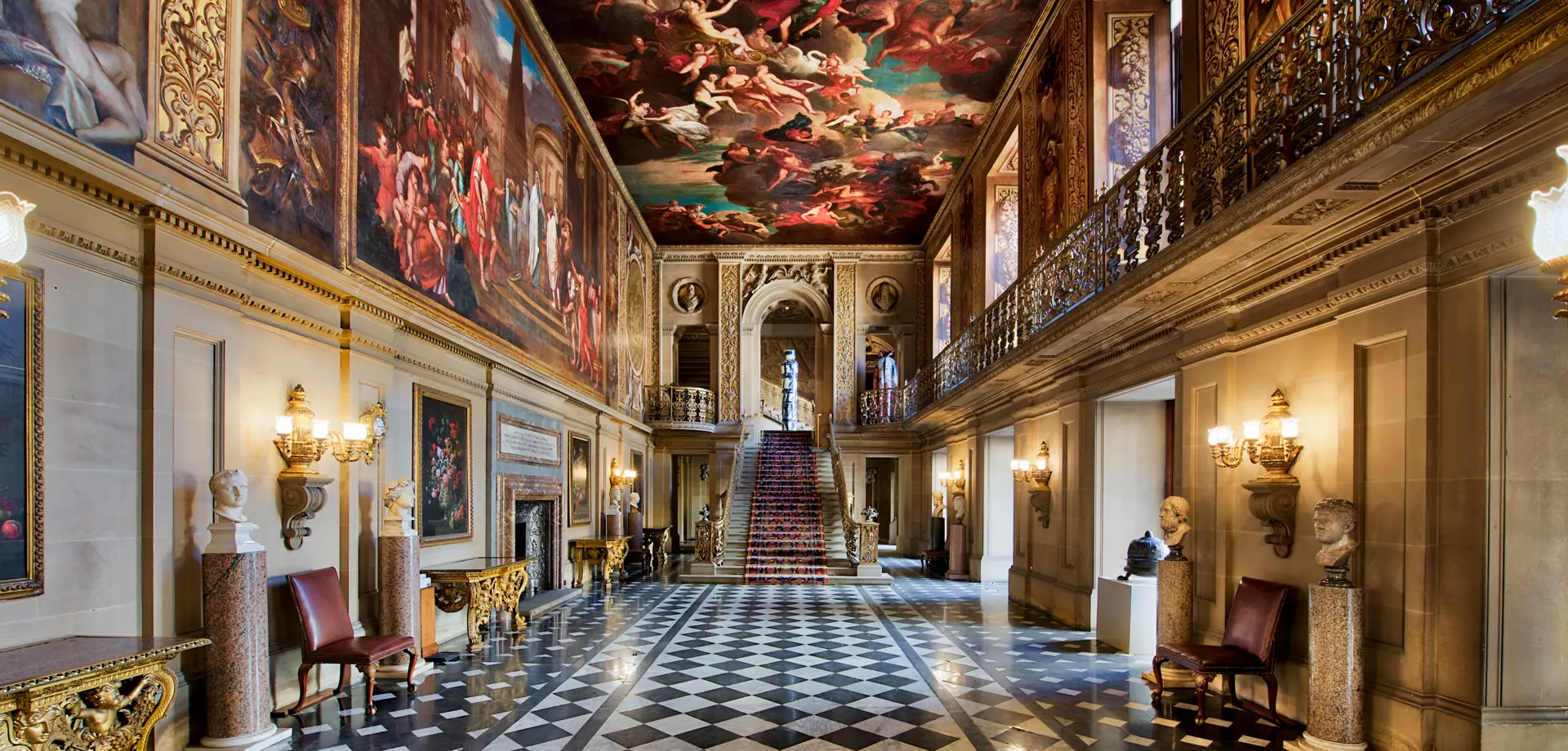
You find yourself thinking, not approvingly, not even consciously, but beneath simple language—of course it is like this. The aesthetic has already performed its ideological work. And honestly, temporarily, it is pretty effective on someone like me, who can be embarrassingly shallow where aesthetics are concerned.
Anyway, the Cascade is a 300 foot stepped fountain. It sits perfectly nestled into the landscape on the western elevation. It’s basically a water feature, a river engineered into Victorian obedience. What is presented is a demonstration of power: that nature, given sufficient cash and time, may be forced to behave however his Lordship desires.
Standing beside it, I did feel briefly that the world which produced it must have had some justification other than excess. Otherwise, how could the result be so coherent?
With perfect timing, a volunteer informed me that the Cascade is to be restored. Apparently, at the low low price of four million pounds from the National Lottery Heritage Fund; the remainder will be raised through a public appeal. Upon recieving this information, when the aesthetic had its foothold, the moment was lost. Thank God.
She said that part about the funding without irony. Actually, she sounded proud, which is perhaps the most remarkable thing about it.
(Apparently, it’d cost two million to get the London train to stop at Headingley station. I know which option I’d prefer.)
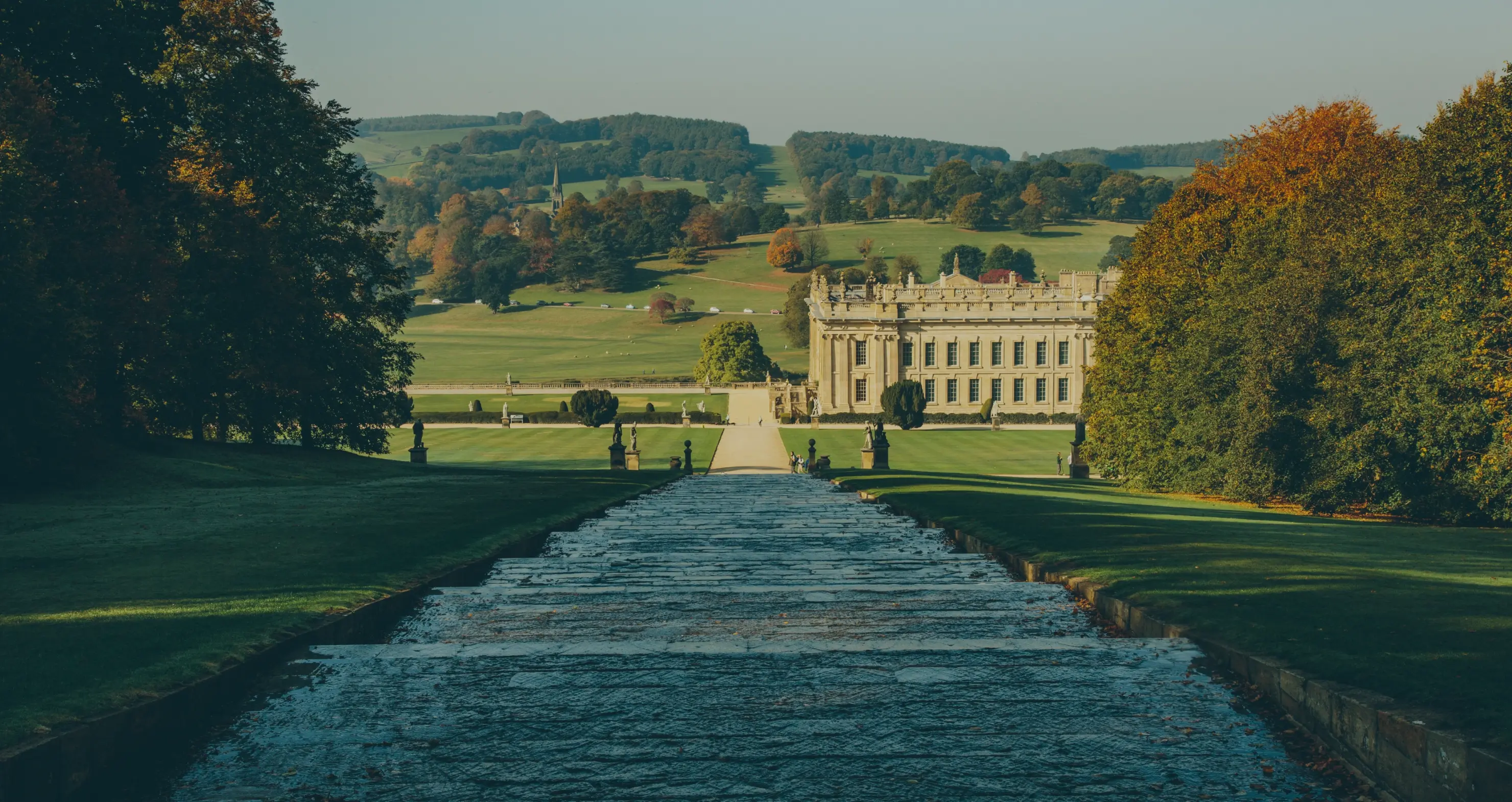
The estate is, on paper, ‘owned’ by the Chatsworth House Trust, and exists within that kind of labyrinthine space where private inheritance is refactored through a charity. You can’t help but admire the genius in the marketing team who called it “trust”. The language is one of stewardship, preservation, and access. Still, the reality is this monolith in the Peak District remains fiscally tethered to the Devonshire family.
They’ve got personal wealth close to a billion pounds.
What reveals itself is a behavioural manipulation. Public money, channelled through the moral and physical architecture of heritage. We are underwriting the maintenance of a symbol of historical oppression. It is not concealed; it is elegantly disclosed and then re-packaged. The genius of this arrangement lies in its appearance of transparency.
“Heritage” is a persuasive term, and it performs a sophisticated one two. What was accumulated without us becomes collective. But we do not acquire it, instead we are invited to identify with it, perhaps even empathise.
Ownership would require redistribution. Identification requires a day ticket. The country estate does not ask you to forget that you were excluded from its creation. It asks something more elegant than that: it asks you to find that exclusion romantic.
This kind of identification is a more durable settlement than ownership could ever be. Property can be taxed, transferred, redistributed by a government with the nerve for it. But the feeling of belonging to a tradition? That is almost impossible to legislate away. They have made their wealth into your supposed inheritance, without any of the costly and inconvenient legal transfers that word implies.
That identification is far cheaper than ownership. For them.
The sad result is that the cost of preserving the material traces of brutal inequality is the financial cost becomes dispersed across those who were excluded from its creation.
I almost admire the plan, were it not so evil in its constitution.
I did, however, admire Chatsworth for its beauty, especially the garden. Perhaps that’s the final accomplishment of the British landed gentry. It does not just display wealth; it stabilises it. It renders it legible, even reasonable, by translating it into form, proportion, and sound.
You can’t deny the art in it.
That bloody fountain does not simply move water down a gradient. It conducts our disdain for the rich and powerful away from its source, step by step, until what remains is not outrage but something softer and far more difficult to dislodge.