The Morals of Cities
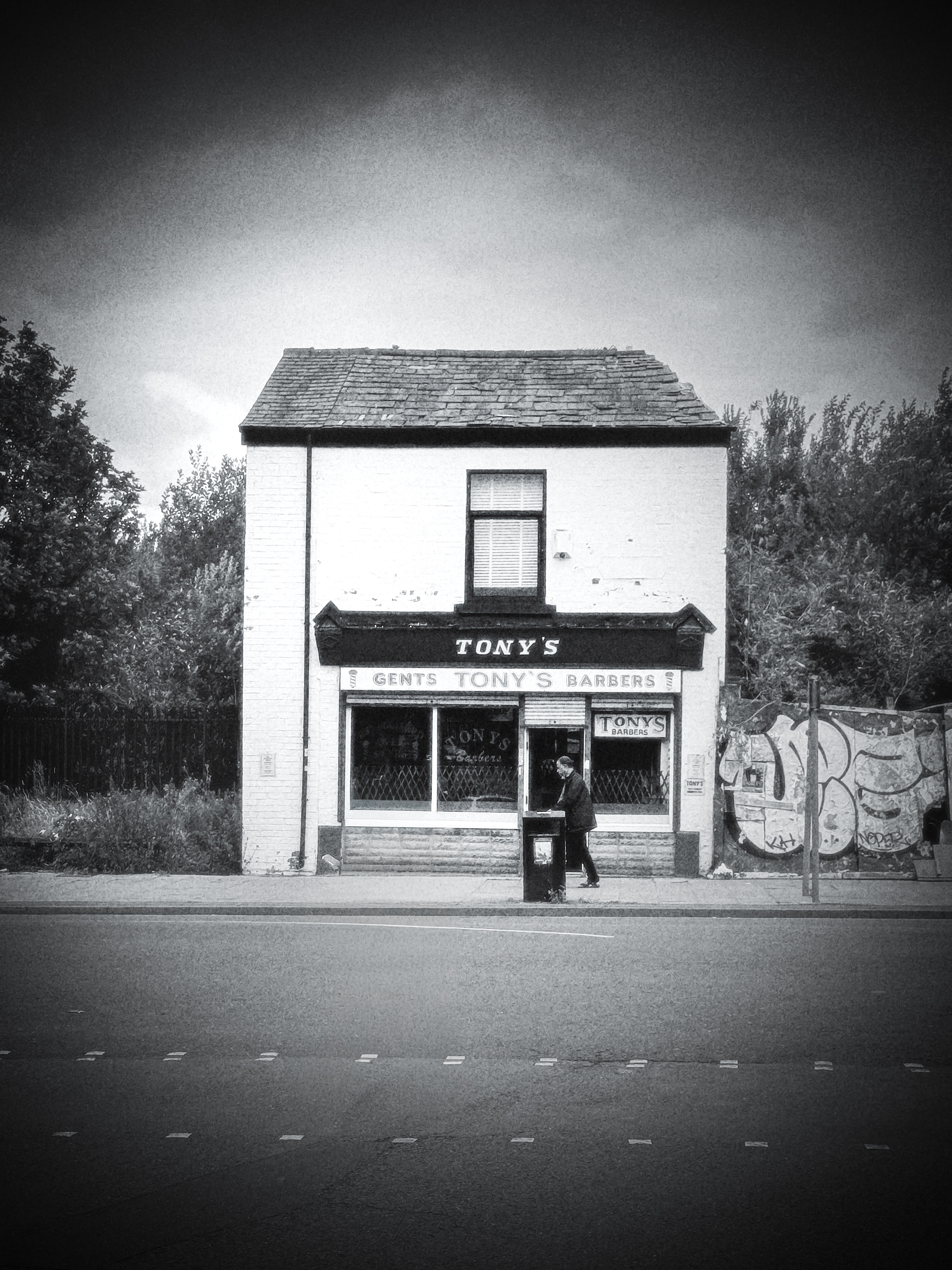
Kirkstall Road, I’m looking at you.
Pink Floyd’s album Animals is obsessed with the dehumanising effects of modern society and the all ways modern life encourages us to see one another as wolves, dogs or pigs. The last song, Pigs on the Wing, functions as a kind of antidote that, despite all the systems, people are still what matters.
Anyway, Manchester isn’t really a city I’m familiar with, apart from Windsor Street down to Old Trafford, and the Northern Quarter of about 10 years ago. I took a little tour of the suburbs at the weekend, and again and again I found myself arriving at the edge of one, only to be met by a big arterial road, a mega junction, a railway cutting or some other piece of infrastructure that announced that we had reached the end, and were passing into the next.
We drove to Hulme, “There’s so many big roads around here” I think I said, as my knowledgeable tour guide pointed out how the cycle lanes are tacked onto the pavements like an afterthought.
To be fair to Manny, all the places I went to were pretty lovely. And partly, that layout I described is historical. Manchester is one of those vast places that absorbed all the towns around it, and instead of integrating them thoughtfully, they’ve been mashed together with post-war housing estates, railway lines and dual carriageways.
The next day, we rounded a corner, pastries in hand, thinking “maybe the park might be nice”, and stumbled into Didsbury Park. It’s a small, walled patch, tucked away behind the old terraces that line up just off the high street. It felt a bit secret, a little refuge from the traffic we’d left behind. We sat, just a touch hungover, talking, eating pastries and working our way through the day’s NYT puzzles. I liked the sense of enclosure. For a while, the city backed away, and the neighbourhood became a place to actually live, rather than just pass through.
Some thoughts on cities:
I don’t walk that way in the dark. This pavement is generous enough to walk side by side. Those traffic lights take ages to change. Here is a bench beneath a tree, and one in the sun. There, the street narrows until our conversation becomes impossible. Some places invite you to wander, others seem kind of offended that you have arrived on foot or bicycle.
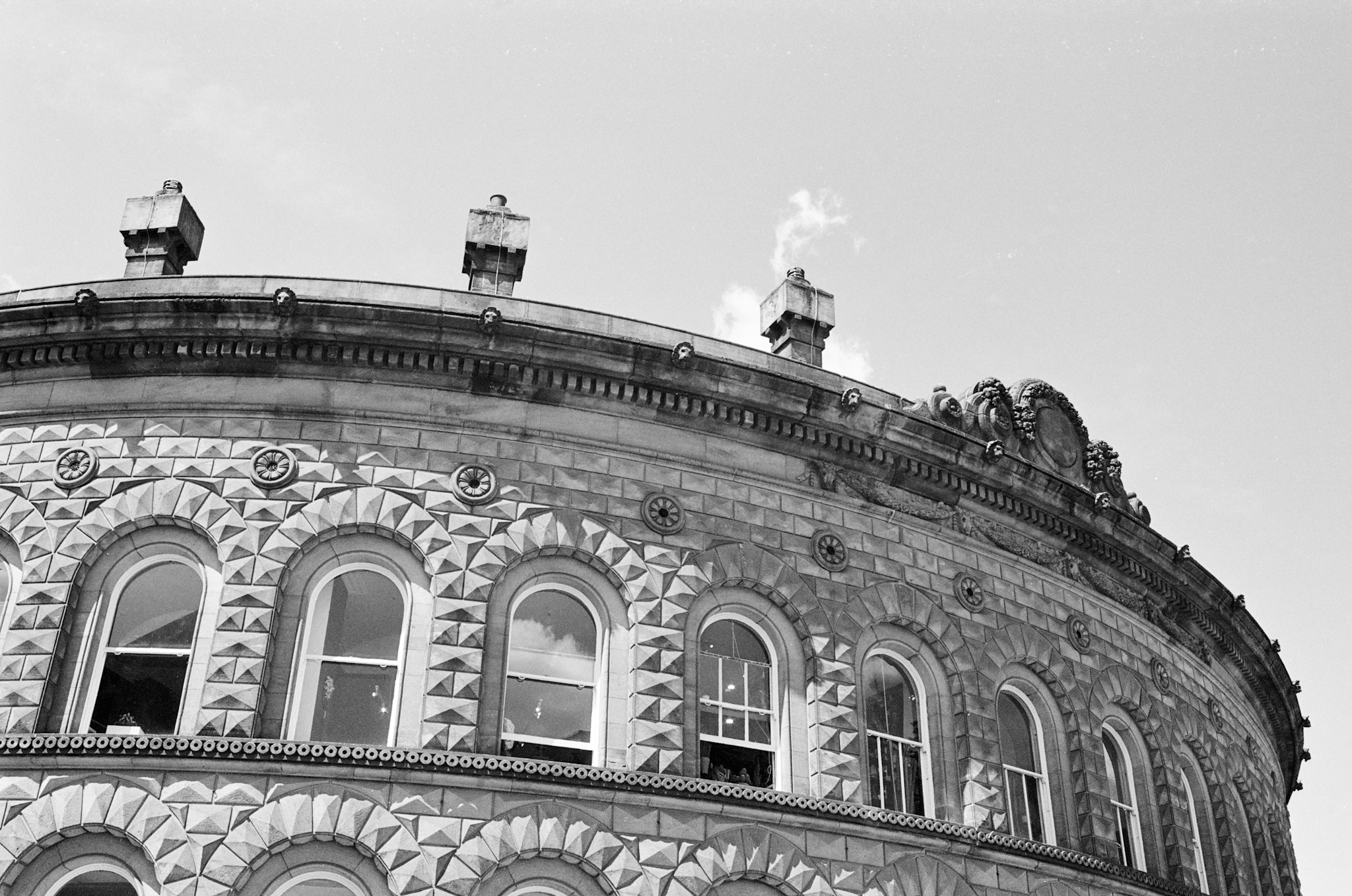
Leeds is just as fickle… Kirkstall Road, I’m looking at you.
I suppose every city is experienced as a sequence of permissions, prohibitions and boundaries.
I watched this YouTube series once about this woman who challenged herself to cycle every day. It was based in Victoria, Canada. Each shot was cut between wide cycle lanes and leafy suburbia. I remember thinking “you’d struggle to do that in Leeds, you’d get run over.”
It’s been said before, but each city has a kind of moral architecture. Not in the way that bricks or roads contain ethical principles, maybe they do, but because the setup influences the behaviour of the residents. The literal shape of a city encourages certain lifestyles while making others far less likely.
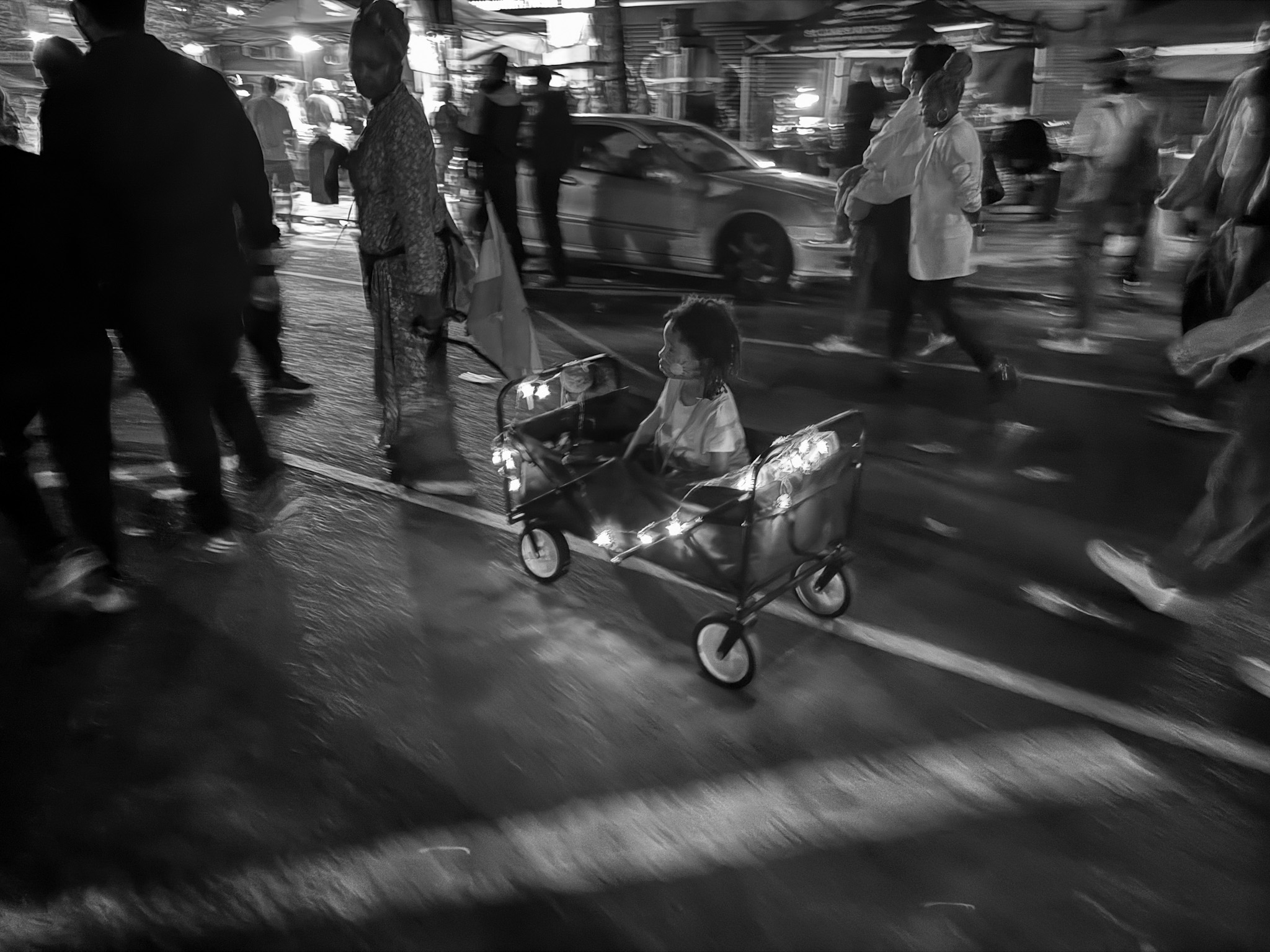
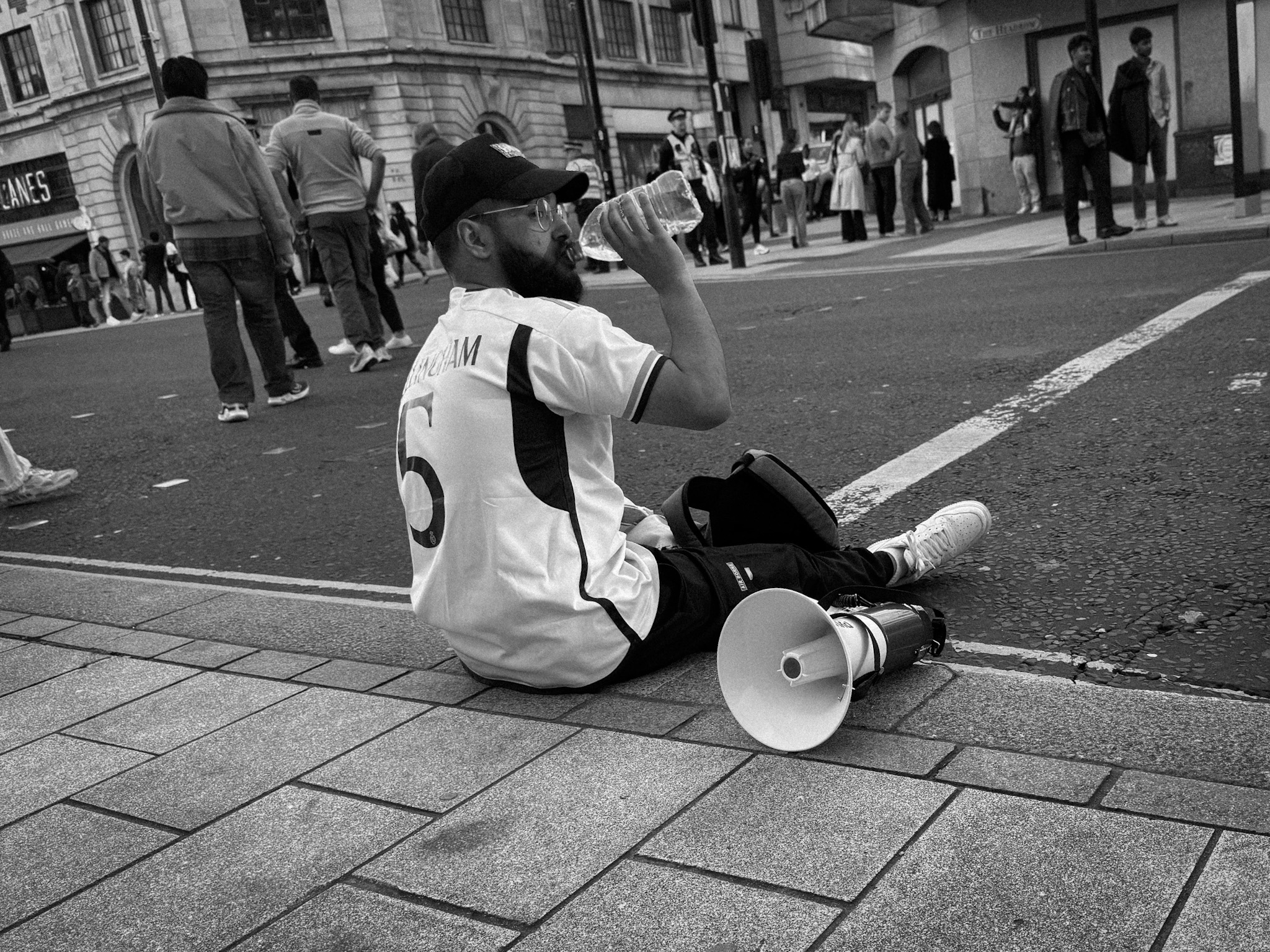
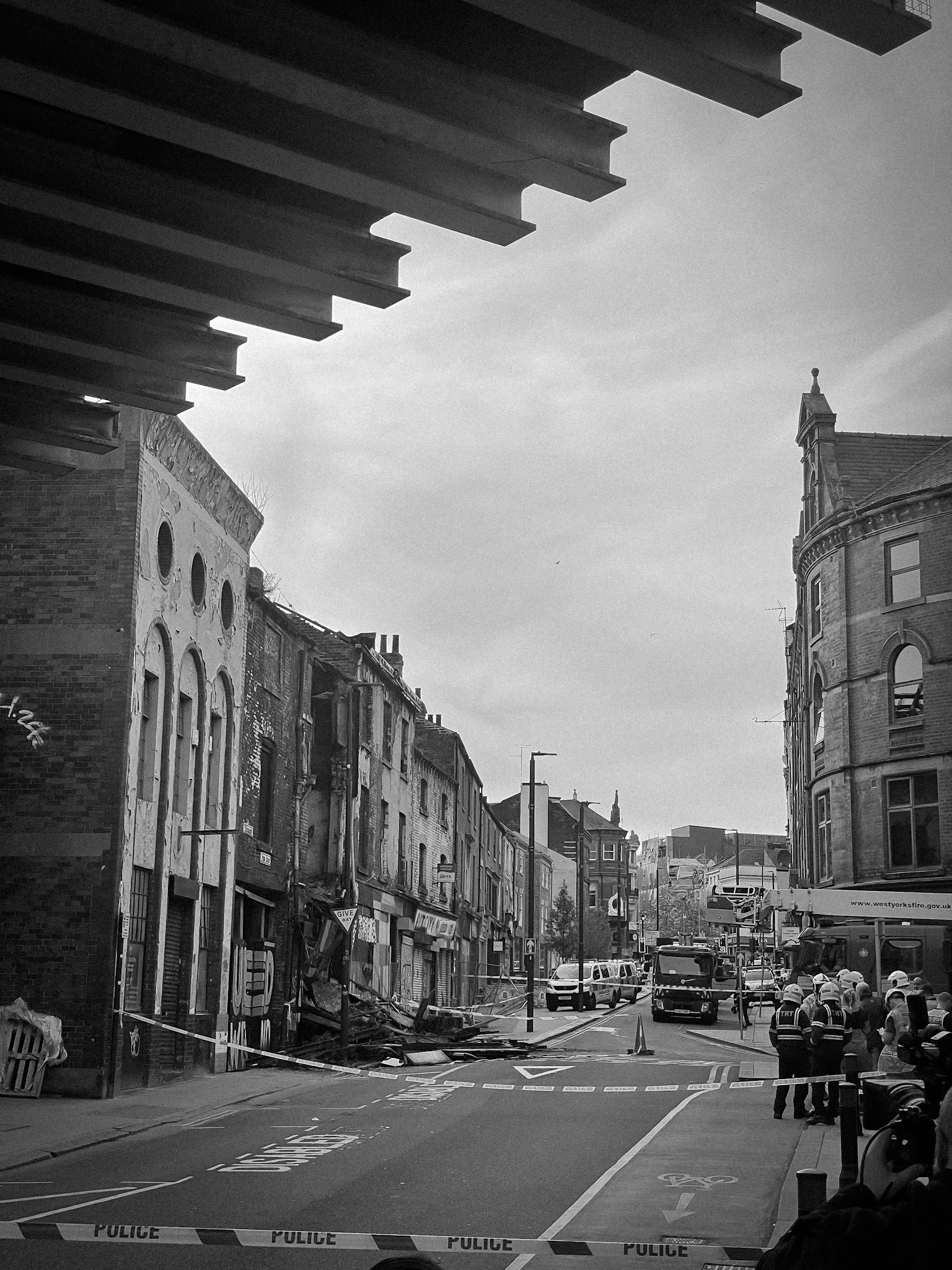
Everybody to Kenmure Street, is a great documentary that follows the events of the 2021 immigration raid in Glasgow’s Pollokshields neighbourhood on the day of Eid. There’s a moment in the film where someone in the voiceover points out that if the situation had occurred in a city square, it would’ve been easy for the police to deal with. “Cordon off the crowd, get the immigration van out,” and so forth. In this case, thousands of people were crammed into a narrow residential street. Besides the inspirational actions of the citizens of Glasgow, a delightful kind of irony emerges: the architecture actually hinders the police from achieving their goal, and helps the protesters achieve theirs.
It is fashionable on Substack to blame most of our societal problems on psychology or technology. We blame smartphones, social media or increasingly individualistic values. But living in a city can also make social life frictionless and simultaneously exhausting. It can invite accidental encounters or require massive amounts of deliberate effort just to maintain a friendship. It can produce people who drift into one another’s lives or those who move from private house to private car to private office without ever inhabiting a genuinely public space.
Sadly most modern UK city planning speaks the language of efficiency now. Let’s optimise the traffic, housing density and commuting times. But efficiency is not the only virtue a city should have, and often the shortest route is not the best one.
A dedicated planning engineer might not understand that, I suppose.
Writing that bit just reminded me of a childhood trip to Siena in Italy, which was the opposite. The medieval streets refused the straight line years ago, climbing and narrowing according to the contours of the hill rather than the convenience of the tourist. You become lost, you find yourself in little squares, squeezing past strangers through narrow alleyways, finally emerging into the wide-openness of the Piazza del Campo. That city seems to have been accidentally designed to maximise the likelihood that we will encounter one another.
I feel like everywhere I visit is making a statement about what life might look like if I lived there. It decides what strangers I might meet, where I might lie on a bench and debrief the night before, and whether the nearest beer garden is better than the current local. It also determines whether walking is pleasurable or just tolerated. I suppose it teaches us what kinds of lives are possible.
So, I guess a city’s skyline and the streets below really do tell you something about its ethics.