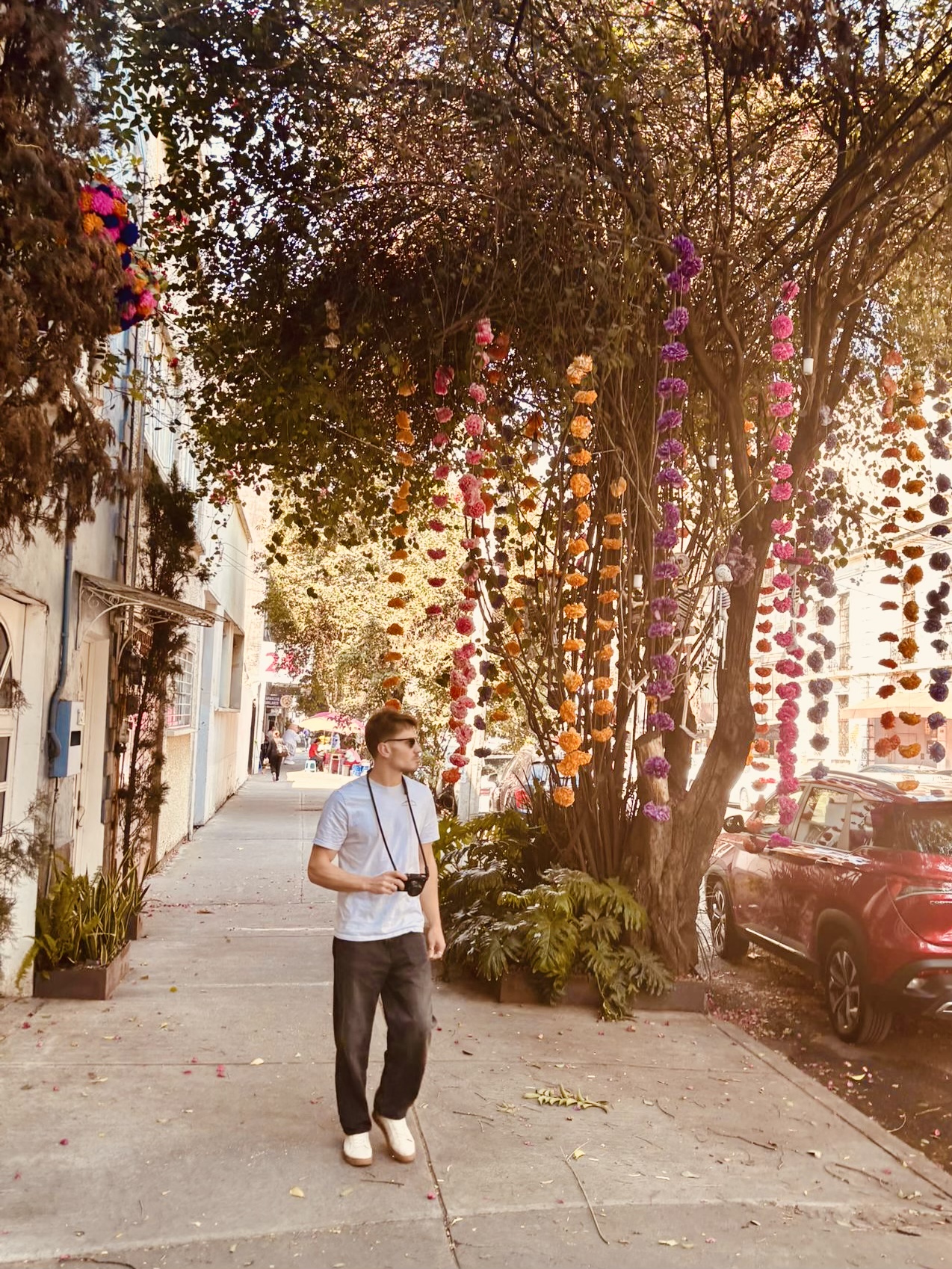
we're taking photos even when we're not
There’s a guy I see quite often, called Mo. He doesn’t want to be photographed
Wrote this in April last year. It has a place on this blog. So, I’ve revised and pared it back. The message still feels important.
There’s an exchange that happens when you carry a camera in the street. Between you, and the people you see moving through it.
If you walk the same routes long enough (for me it’s usually on my lunch breaks), you notice the same people over and over.
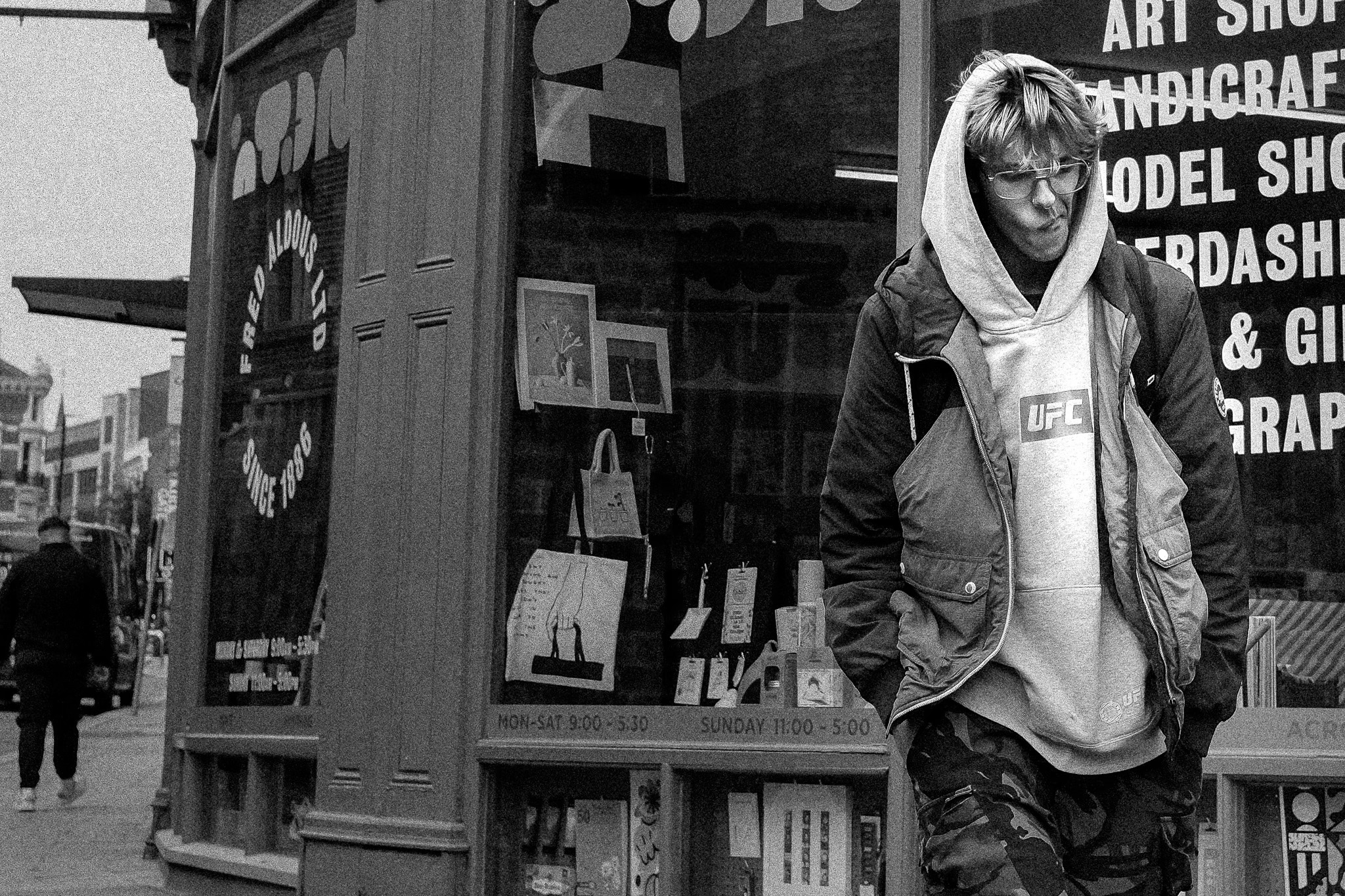
Not fragments, not impressions — real people.
The old man with the stick. The woman with all the sharp dresses.
There’s a guy I see quite often, called Mo. He doesn’t want to be photographed. I asked him early on, and took his portrait once. Now we just get lunch or have a chat while he has a smoke.
We’ve talked about all sorts of stuff.
One time, he’d fallen out with his mum, I was also in a patch — we hugged it out.
I hope I bump into him soon.
Most of the time though, you don’t know their names, their backstories or the sound of their voice — but somehow, you do know them.
I’ve taken chaotic photos, beautiful photos, sad photos — and yet there’s a line running beneath them all.
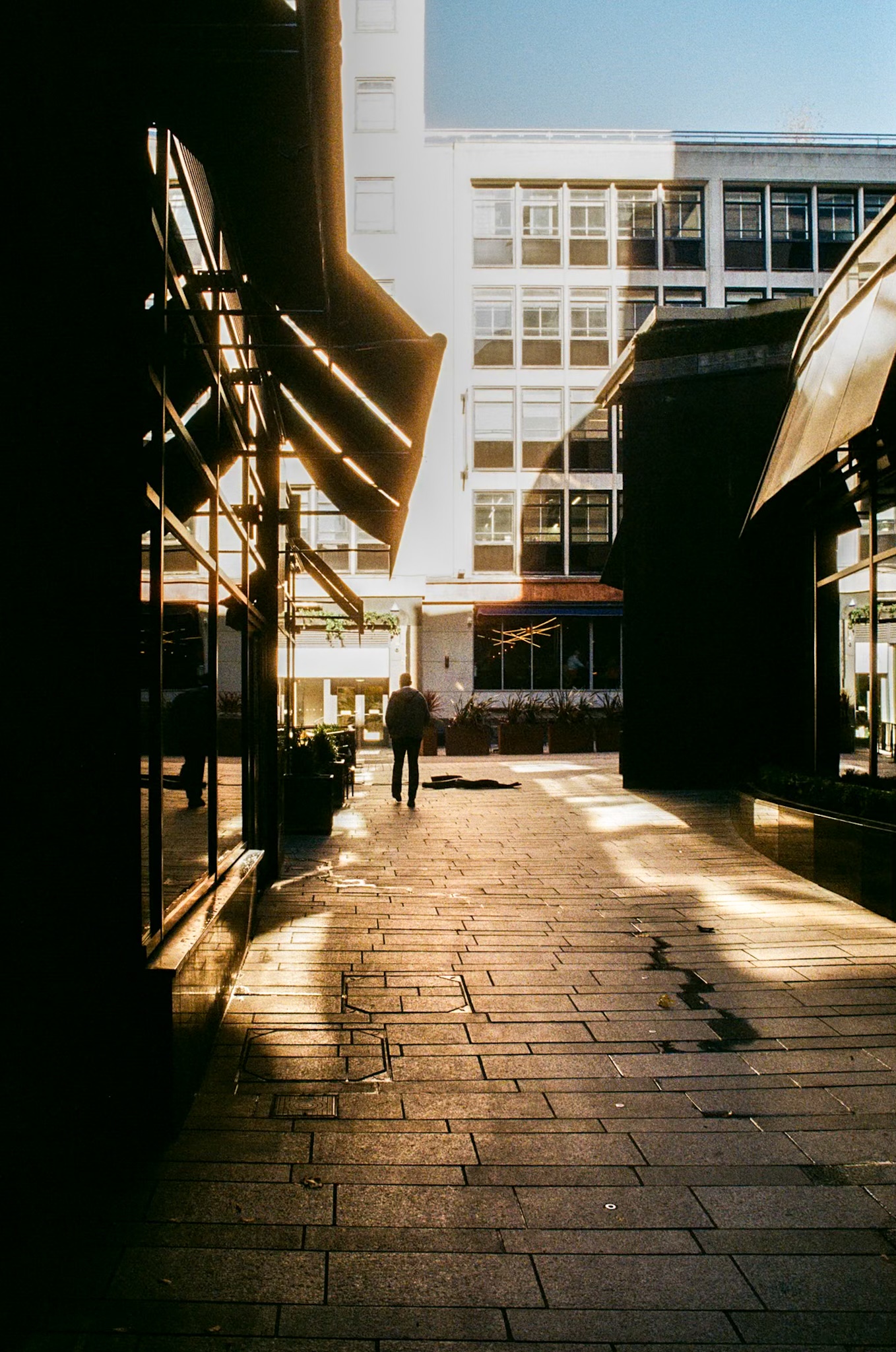
Sontag wrote in “On Photography” that to photograph someone is to violate them. That a photograph turns a person into an object that can be possessed. That line still stings. Not because it’s cruel, but because it isn’t wrong.
A camera does interrupt. It does freeze. It does take.
But I don’t experience it as possession. It feels closer to reverence. Not ownership. That’s the real reason we take photos of our friends, lovers, and family.
Not to reduce them, but to remember that they were here.
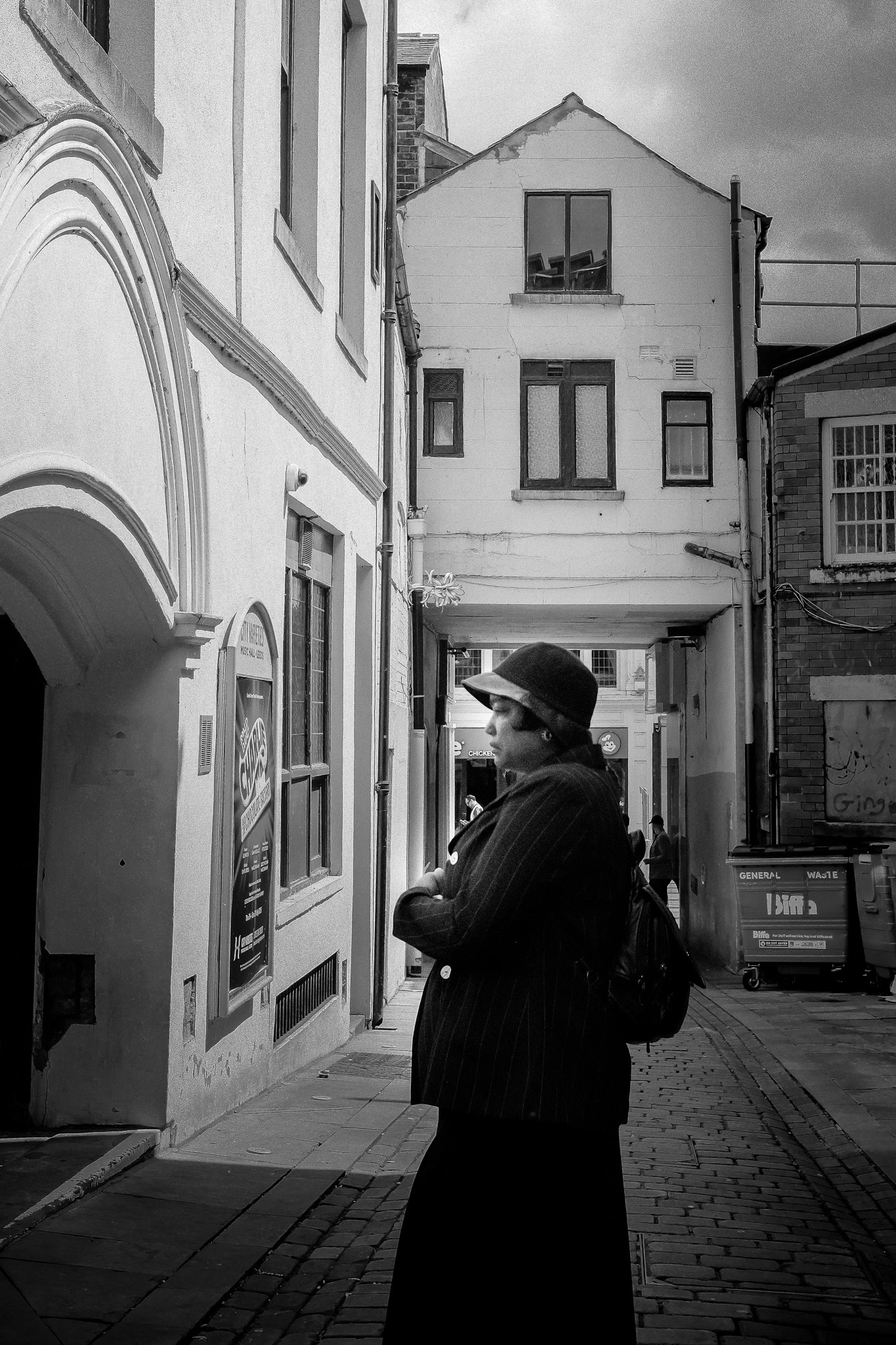
The choice to frame one person over another, to choose — like we do every day in all our small decisions — adds up. Over time, it becomes a roadmap of our inner world, held together by instincts that are almost never truly neutral.
But sometimes — when we stop masking ourselves — something more honest slips through.
How many people have experienced you as you truly are, rather than as you wish to be?
That’s the real exchange. Not theft, not ownership — but a kind of responsibility.
When we are exposed like this — hopefully around someone gentle, but not always — we are vulnerable. And in that moment, we can be cherished… or diminished.
I think that’s why they call photography shooting.