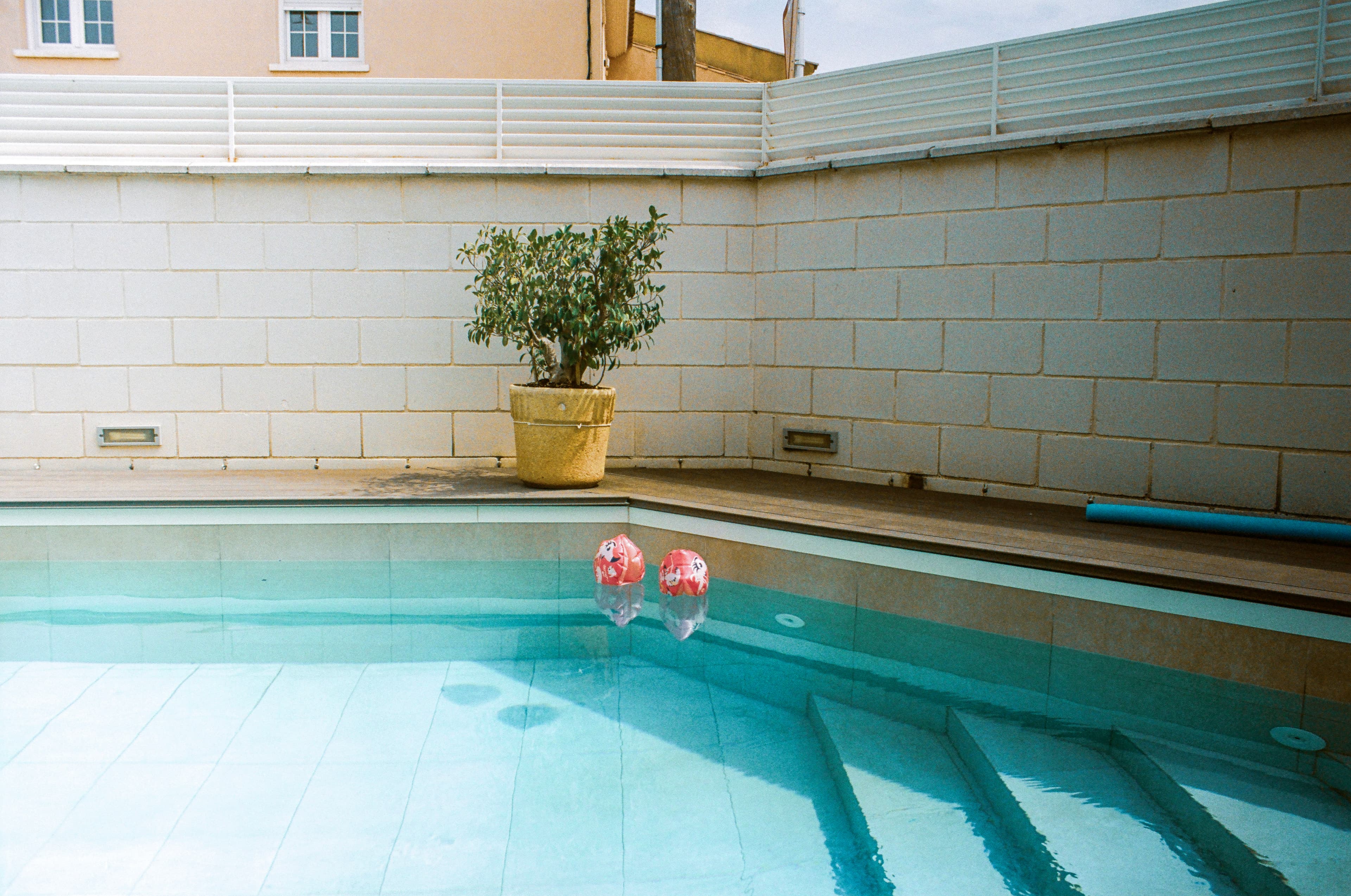
The yard
There's this trope doing the rounds, that when you turn around thirty, you suddenly develop an interest in birdwatching (twitching). You give up on being childlike-cool, and you instead decide that identifying the flash of colour of a goldfinch or the call of an oystercatcher is a better use of your time.
I developed this a little earlier than thirty, mainly thanks to an ex-girlfriend of mine who was very interested in nature. She taught me how to care for plants, something I once regarded as a quite mysterious and frankly inconvenient responsibility.
With her, I remember going walking on the Isle of Skye over to MacLeod's Maidens, a dramatic set of pinnacles jutting out into the ocean right at the tip of the world. On the way, she picked up this tiny piece of sad-looking sphagnum moss, and turned to me, "LOOK! TOM!" she's got this ungodly grin on her face as she's pointing at it. I was not really understanding the significance of the occasion at the time, I was just happy she was happy. But something about that has slowly rubbed off on me.
I started to notice little things like the arrival of the first buds on my lilac tree in the yard when it seems to have been dead for months, or that my plants spend all winter looking pretty miserable before producing fresh new foliage in March (I'm looking at my potted fig tree right now). What I began to appreciate is that, most of the time, nature is not really interested in providing us with a dramatic spectacle, that is, most of nature's important stuff happens very slowly.
These days I'll hear something singing from the tree and feel a sense of smugness that I recognise it to be a robin, all without looking. In time, those kinds of moments have become a large part of the way I appreciate life.
Sandy Denny
I've been rather pensive about all of this recently, prompted by an afternoon listening to Sandy Denny and a conversation with someone who confessed that they struggle to grieve for as long as they feel they ought to.
At about twenty, she wrote a song called Who Knows Where the Time Goes?
If you're unfamiliar, Sandy Denny was an English folk singer, usually best remembered for her work with Fairport Convention and Led Zeppelin. Though, I think reducing her to that alone feels a bit unfair. Mainly, since she had one of those timeless voices that seems eerily familiar with all the kinds of affliction we face in life. It is very difficult for me to describe in written words the specific thing that makes that song so affecting. Certainly, there is a restraint to it, an unwillingness to impose any specific emotion upon the listener. Grief and hope seem to coexist within it, as do tragedy and beauty, which somehow makes the whole listening experience all the more devastating.
To my ears it's one of the most beautiful things ever recorded.
Particularly the version from the John Peel Sessions in '73.
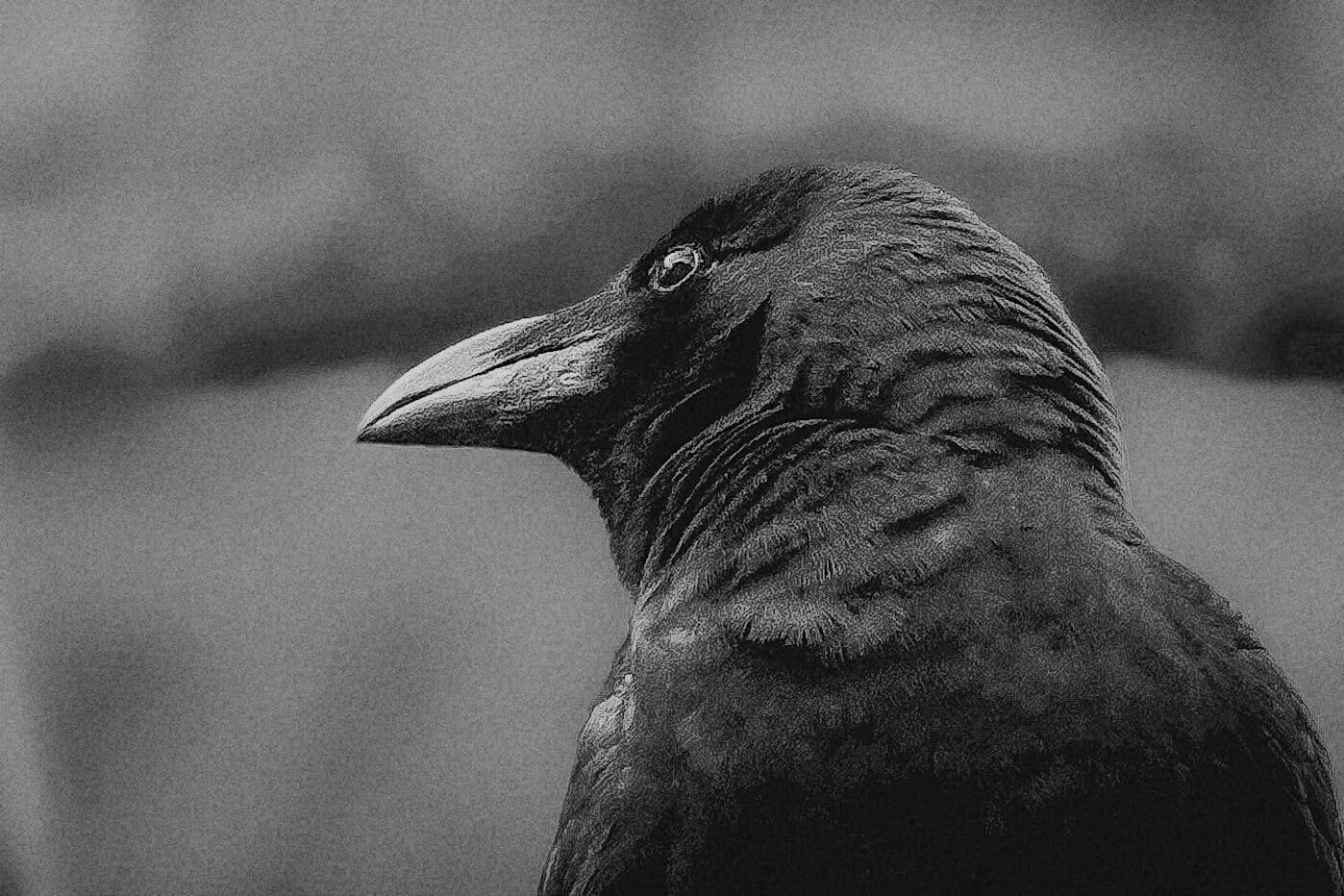
The song begins with this vivid image of birds migrating, she sings into a crescendo, wondering how they know when it's time to go. I think what she's really talking about is the sense of ease with which they accept they are going. The seasons change, the birds fly off, and we, of course, are left to be far less dignified in our leaving.
We have invented this infinite collection of things in order to mark and measure our movement through time. We organise our lives around time passing, and somehow, we're still surprised when it does exactly that.
I turned thirty-one this year, and I don't particularly mind getting older. In fact, I've enjoyed my thirties far more than I expected to. I'm conscious that I'm not quite qualified to comment on them fully just yet.
Anyway, thirty-one has acquired an unexpected significance to me, and that is that Sandy Denny died at thirty-one.
On the 21st April 1978, following a fall, she died in hospital in London. She left behind a daughter, a husband, her remarkable body of music, and a great deal of a life that she would never get to experience. Now, there is something slightly unbearable about listening to Who Knows Where the Time Goes?
Especially, knowing that she is now permanently younger than me, yet her voice sounds far older and wiser than I will ever become.
When she wrote that song at twenty, being thirty-one must have seemed a very very long way away. I remember being twenty, and being thirty-odd seemed like an age I would never have to confront. I had unlimited confidence in the amount of time available, despite having no evidence to support it, other than an innate feeling that my youth was unending.
There were even more countries I would visit, people I would meet, lessons I would learn, and an entire future waiting patiently for me to get around to it, just exactly when I wanted, of course.
It's quite tempting when considering someone who died quite young, to only describe their life in terms of incompleteness. To speak of potential, of everything they might have achieved, and of the terrible injustice. Of course, all those things are true. Death is tragic, and I can think of no cursory or literary trick that can make it any different.
But we are reluctant to allow most things to be complete unless it has lasted for what we consider a respectable amount of time. Even a happy period of our lives might eventually become something to mourn, and then, our youthful years are treated as a kind of sunny paradise from which we are ever so gradually expelled.
Memories in particular seem to slowly and surely gain this melancholy quality, only, I think, because the specific circumstances that produced them no longer exist.
It's important to say, I don't think that beauty is dependent on the inevitability of its passing. A summer's evening isn't beautiful because the winter is coming. It is beautiful because the light falls across the hills in a particular way, and because the air is warm, perhaps our friends are there or a loved one's head is in our lap, and momentarily everything seems to have settled into its rightful place.
There's a difference between accepting that something will end, and spending all that time anticipating that it inevitably will. The latter affliction seems particularly common. There's vanity in this, as though our awareness of impermanence places us above the very thing happening before our eyes.
The birds do not know they're symbols of mortality to me. They have no interest in the anxieties of men. They'll continue arriving in the spring and leaving to sunnier skies in the autumn.
I envy them.
Of course, the great difficulty with impermanence is that it is less charming when applied to people. It's one thing to appreciate leaves in the autumn, and quite another to accept that someone you love will inevitably, through death or some other life event, disappear from your life.
So, it is with ease that we can admire the changing seasons, because we have the comforting expectation that they will return.
But I think much of what makes us who we are consists of precisely these little inheritances we get from other people. There's further comfort in knowing that we continue to influence the worlds of others without remaining present in them. Not in the grandiose sense of leaving a historic legacy, which has always seemed to me a slightly vain ambition, but in the ordinariness of having known and been loved by people.
There's danger in trying to extract a beautiful lesson from a tragedy, as if it exists to provide material for the growth of those fortunate enough to continue. When something terrible happens, we should have the decency to admit that it was terrible.
There is no particularly good reason why I should live another fifty years, beyond statistics that government mathematicians have performed that say I probably will. We like to believe old age is something we're owed, far in the distance, in exchange, with God or the universe, for having made it through our youth. Nature has never been interested in that, and this is a frightening thought.
The other day, I was watering one of the plants I've had for a long time. I bought it in Dulwich, I think around 2019. It's grown a lot since, I was thinking about how strange it is that something so (apparently) stationary can be in this endless state of change. The leaves on it now didn't exist then, and the ones that were there at the time have long since fallen or been pruned away. It's a real living Ship of Theseus.
Obviously, you might be thinking I'm using this little cheese plant as a sad, slightly laboured metaphor for love, loss and the persistence of memory.
This isn't about that, it's about how impermanence is an essential partner to continuance. A plant only lives because it's constantly changing. And I think that's something worth understanding about ourselves.
I've spent a lot of my thirties (and in this publication) reflecting on why I'm so interested in photography and writing, and I've decided it's so I get to keep hold of things that are otherwise fleeting. Photos for moments, and writing for thoughts.
Outside, the birds are preparing for winter. I have no idea how they know where they are going, or how they truly decide it's time to leave. Perhaps somewhere in their little bird-brains they have a deep understanding that we will never possess, or maybe they don't know anything at all, at least not in the way we insist on knowing.
Either way, when spring comes back around, I'll be sipping my morning coffee one sunny morning in March, and I will be pleased to see them again.