Flattening
"Pick a niche." The algorithm is waiting.
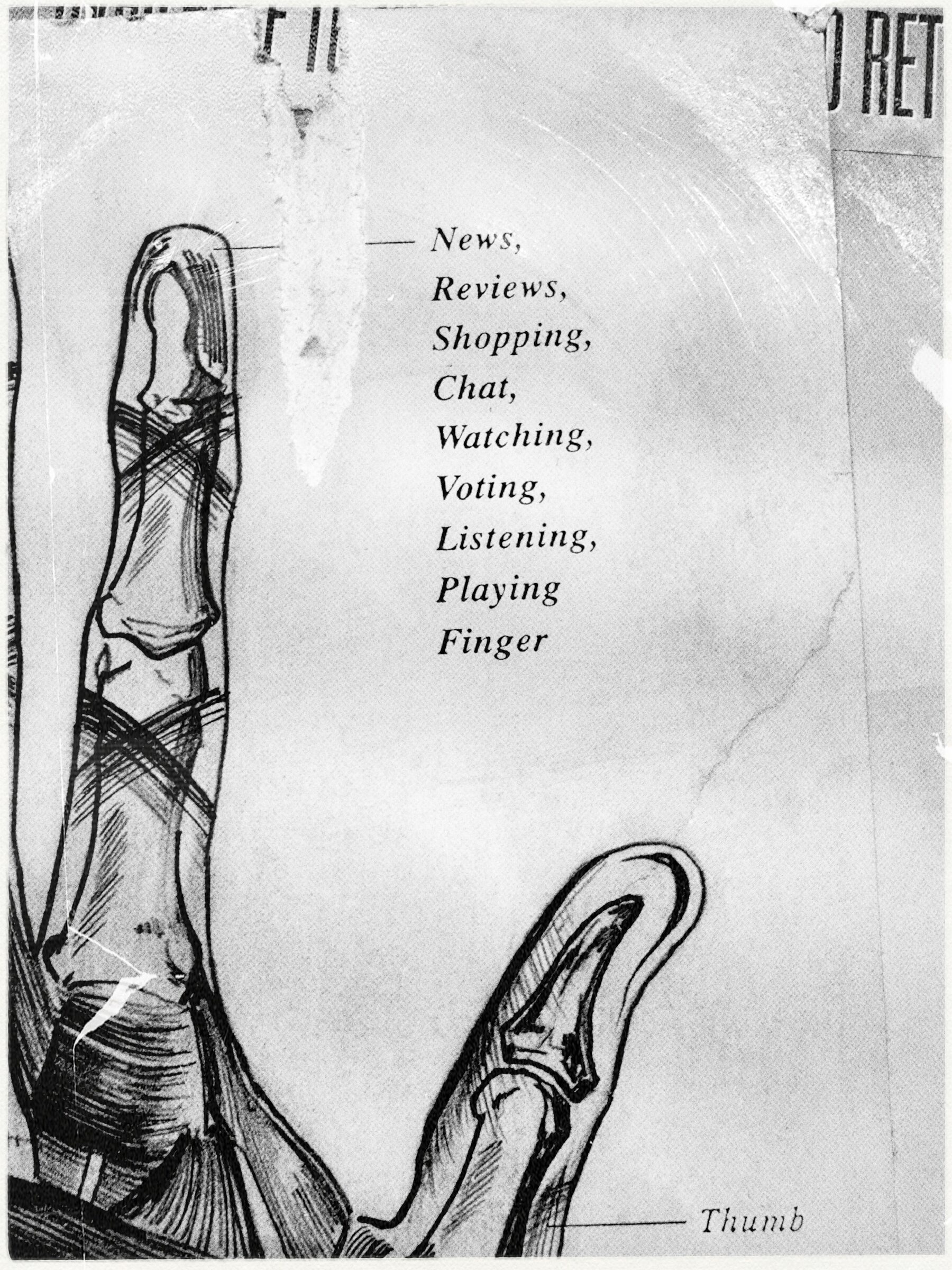
I think we’ve all suffered at the hands of a label at various points in our lives, perhaps we still are.
Anyway, which one are you:
The finance guy?
The book girl?
The productivity bro?
The travel photographer?
The philosopher?
The comedian?
The lover?
The failure?
Come on… The algorithm is toe tapping.
I came across a post on here recently that said:
“Pick a niche or you will confuse people.”
I’m actually so sick of sentiments like this. On the face of it, it makes sense, people like knowing where to put things. Bookshops have genres, supermarkets have aisles, and Netflix recommends films by category. The modern world is even more obsessed than ever with knowing exactly ‘what you are’ before deciding what to show you.
I suppose if people can understand you in a sentence, they know where to file you away.
One of the first questions we ask children is what they want to be when they grow up. I remember that question as a kid and I hated it. Everyone else seemed to know, or at least they lied convincingly, I always felt as though I was behind.
Some of us have become convinced that this is a kind of weakness. Like somehow if we explored too many things we’d appear too unfocused for everyone else.
But isn’t that so sad?
Maybe coherence comes from temperament (or character) instead.
That's why great creative work rarely depends on subject matter. You can usually recognise an artist before you know what their picture, song or book is about. Their subjects change, sometimes dramatically, but their sensibility doesn't. I suppose their style survives variety.
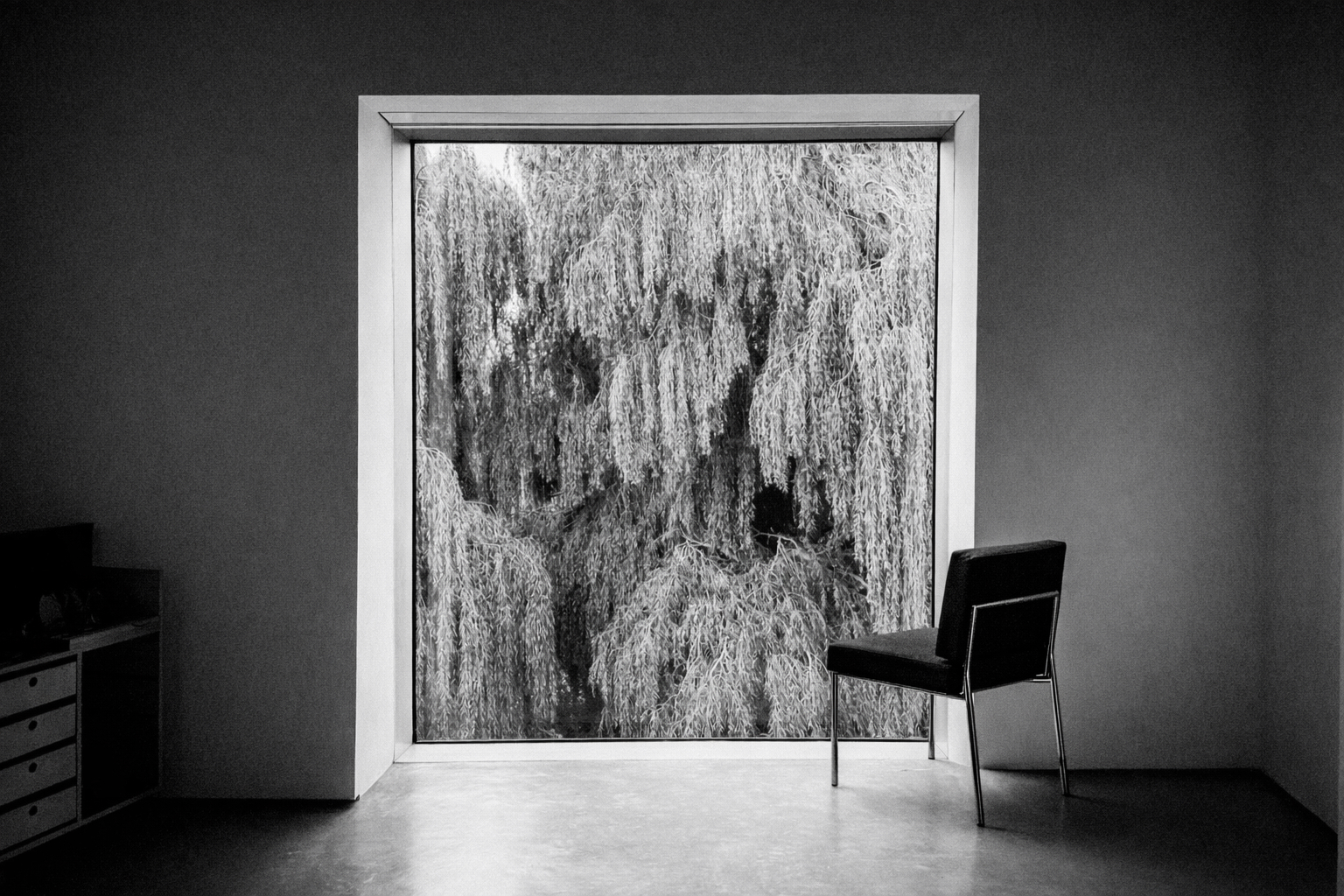
Things I took a picture of (and posted online) recently:
- Travel.
- Street.
- Gig.
- Friends.
- Textures.
- Something inspired by a movie.
Fuck “pick a niche”. It mistakes the medium for the motive. The work isn’t held together because every piece looks the same, it’s held together because the same guy made it.
Why should everyday lives be any different?
Because the internet has somehow encouraged us to think of ourselves as products and labels. Chaotic, restless, gifted, introvert, something girl, something boy. We’ve turned terms like this into whole identities, like a person or a situation can be meaningfully summarised in a single word.
Brands, marketing and algorithms all benefit from that kind of language. In general life, people don’t benefit, in fact I think they suffer.
You know when you’re asked to describe someone you know well, and all of their contradictions flash through your mind before you eventually settle on some variation of, “Oh, they’re really X,” or, “They’re quite Y.”
I always find that uncomfortable, mainly because it feels so incomplete.
I hate it when I’m rambling on about something to a kind stranger and they say something like “that’s because you’re giving ADHD.” Internally, I’m like, “Really, this?” I've never felt guilty about my attention wandering all over the place, so no, I wont be asking the doctor.
Sometimes I’m enthusiastic. Sometimes I’m quiet and focused.
Neither version cancels out the other.
Of course we have to simplify, sometimes that’s even quite funny, but the problem isn’t that we use labels; it’s when we start behaving as a society like they are exhaustive.
I think we’re more porous than we’d like to admit. None of us are invulnerable to the ideas we’re repeatedly exposed to. They don’t care who you are, they care what you’ll click on next.
You might think this only applies to the chronically online generation.
The internet has become culture. Once an idea becomes successful, its vocabulary leaks out everywhere, into everyday conversation, until people who've never even downloaded the app are speaking its language.
The solution is to hold your labels lightly.
They were never meant to become identities.
I’m not talking about a stubborn refusal to change, but about resisting the temptation to flatten yourself into a single identity. The more you can cultivate that, the less you have to worry about whether you yourself, or anyone else (and their algorithms) can put you in a box.