restore yourself with science
You didn't ruin anything
This is not going to be one of those pieces that insists people are fundamentally good, that kindness always wins, or that history is trending upwards if we’d all just log off and touch grass.
Honestly, I don’t know if any of that is true.
What is true is that the universe is extremely large, extremely ancient, and still functioning. Which, given the general state humanity has managed so far, feels pretty impressive.
Science, helpfully, is not usually in the reassurance business. It does not care how we feel. And yet, oddly, it keeps delivering a kind of comfort anyway — not through optimism, but through scale, structure, and an insulting level of indifference.
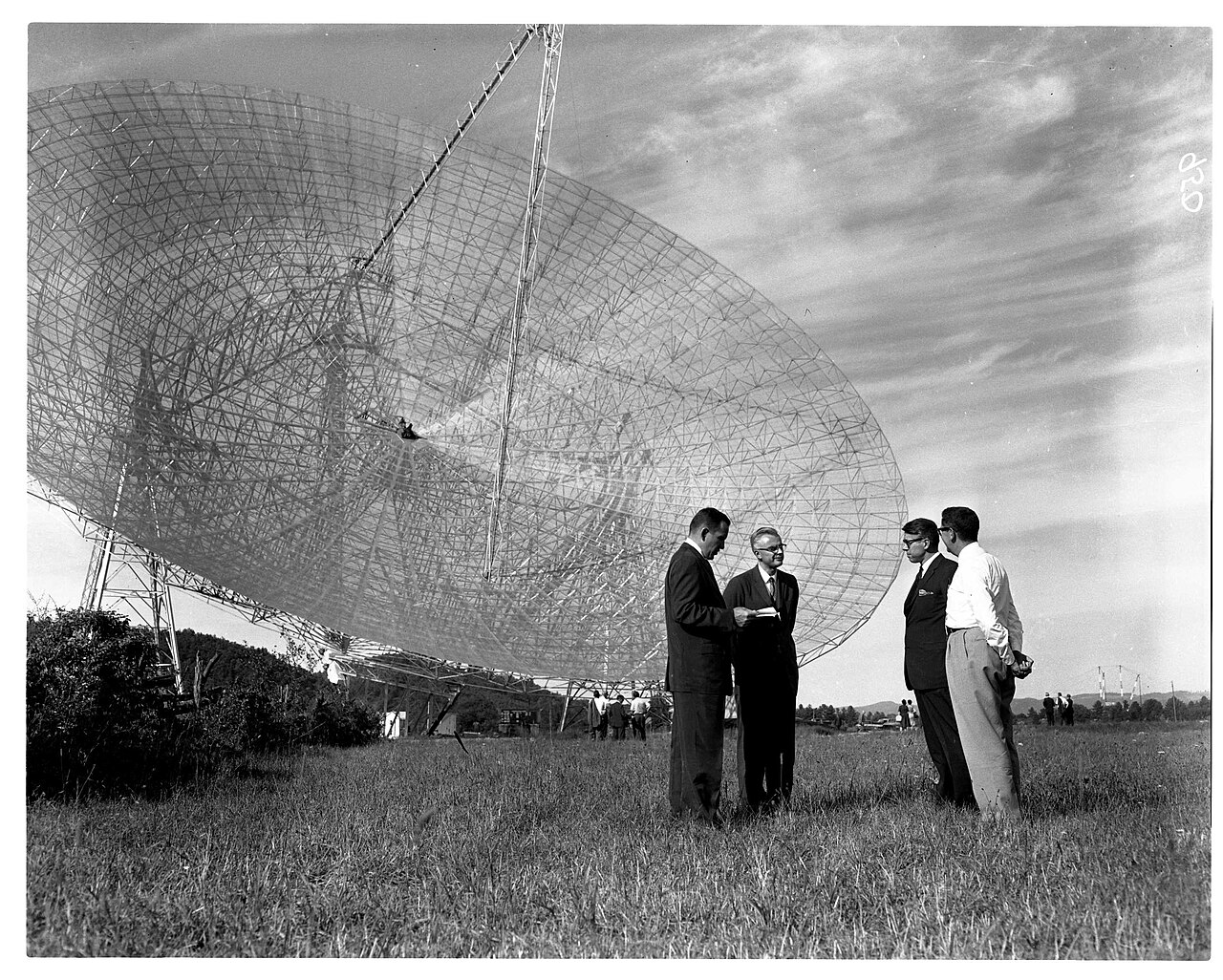
There’s this thing called the Drake equation, it’s more of a question actually. Often wheeled out by Brian Cox as “proof” that aliens exist, it’s far more interesting than that. It’s a framework for estimating how many advanced civilisations might exist in the Milky Way at any given time.
Many of the terms are guesses. This isn’t a failure — it’s the entire point. The Drake equation isn’t there to give you a number to believe in. It’s there to force you to accept how much we don’t know while still asking a question anyway.
Don’t feel lonely — total cosmic solitude would be surprising. Not tragic or poetic. Just statistically odd. That’s a far healthier kind of comfort than thinking “you’re special.” It’s more like “you’re probably not alone — and if you are, that’s interesting.”
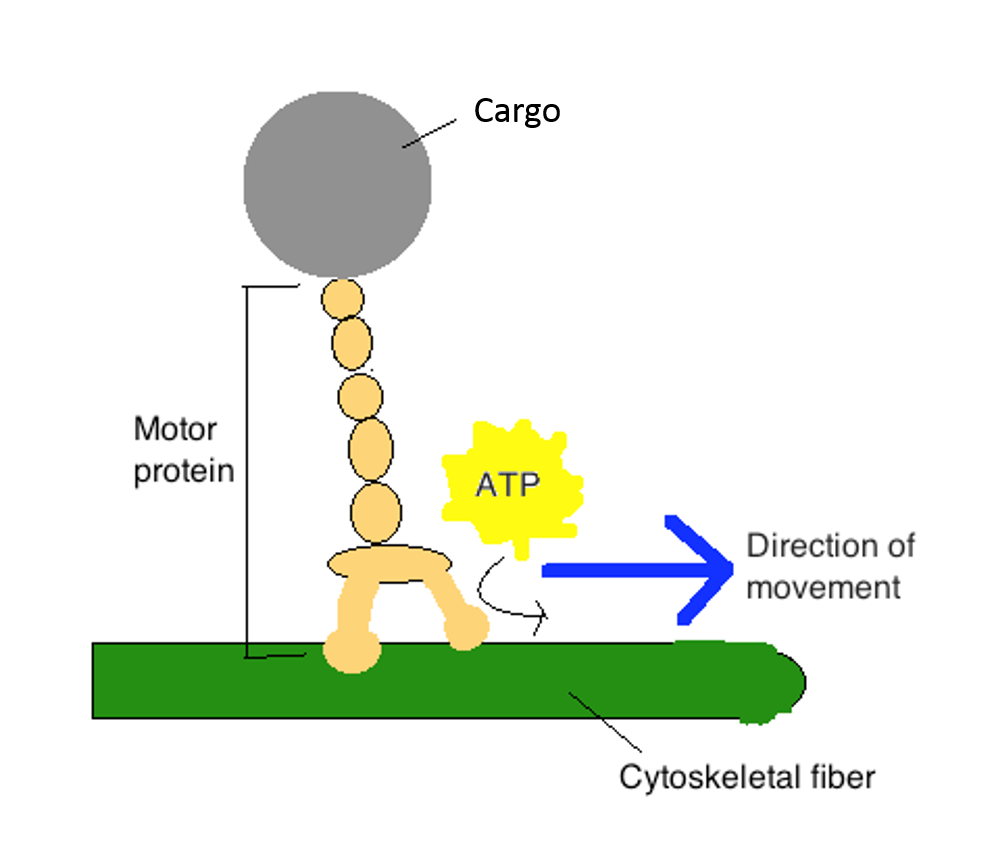
On the other end of the scale you have carrier proteins — perhaps the most romantic and essential mechanism keeping you alive.
Carrier proteins do something almost magical. They pick up molecules on one side of the cell, change their shape, and set them down on the other. Over and over. Step by step. Some of them quite literally walk, powered by little bursts of chemical energy, ferrying sugars and ions and signals so that you can stand, think and feel.
Billions of these little guys are running around just to keep you going. No intention. No need for meaning. Just chemistry doing what chemistry does when left alone long enough.
That’s a kind of anthropomorphism I can get behind.
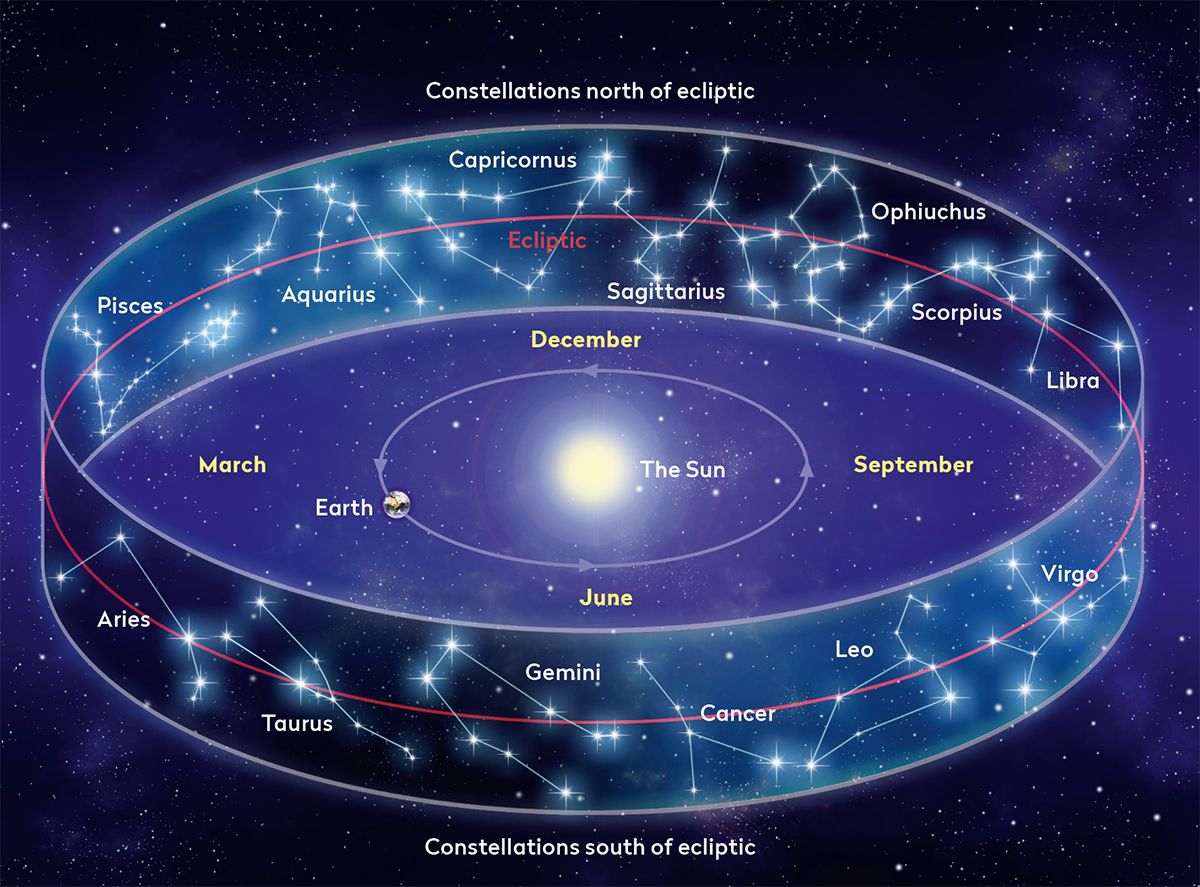
I spent a lot of my 20s falling asleep to astrophysics podcasts. Every time I look at the moon I feel something. I hope you do too.
On the face of it, the moon is a tidally locked rock, gravitationally influential, and largely responsible for stabilising Earth’s axial tilt. Without it, our climate would be chaotic. It also drives ocean tides, moving unimaginably large volumes of water around the planet twice a day with absurd reliability.
No one is in charge of this. No one checks in on the moon. It’s just there, orbiting, waiting and sustaining.
What’s really funny about the moon and the stars is that we don’t even need to know all of that to be in awe of it. That feeling is primally locked inside us. It’s like our genes hold a memory of the wonder of the stars that our ancestors had. That legacy of transcendence is fascinating in itself.

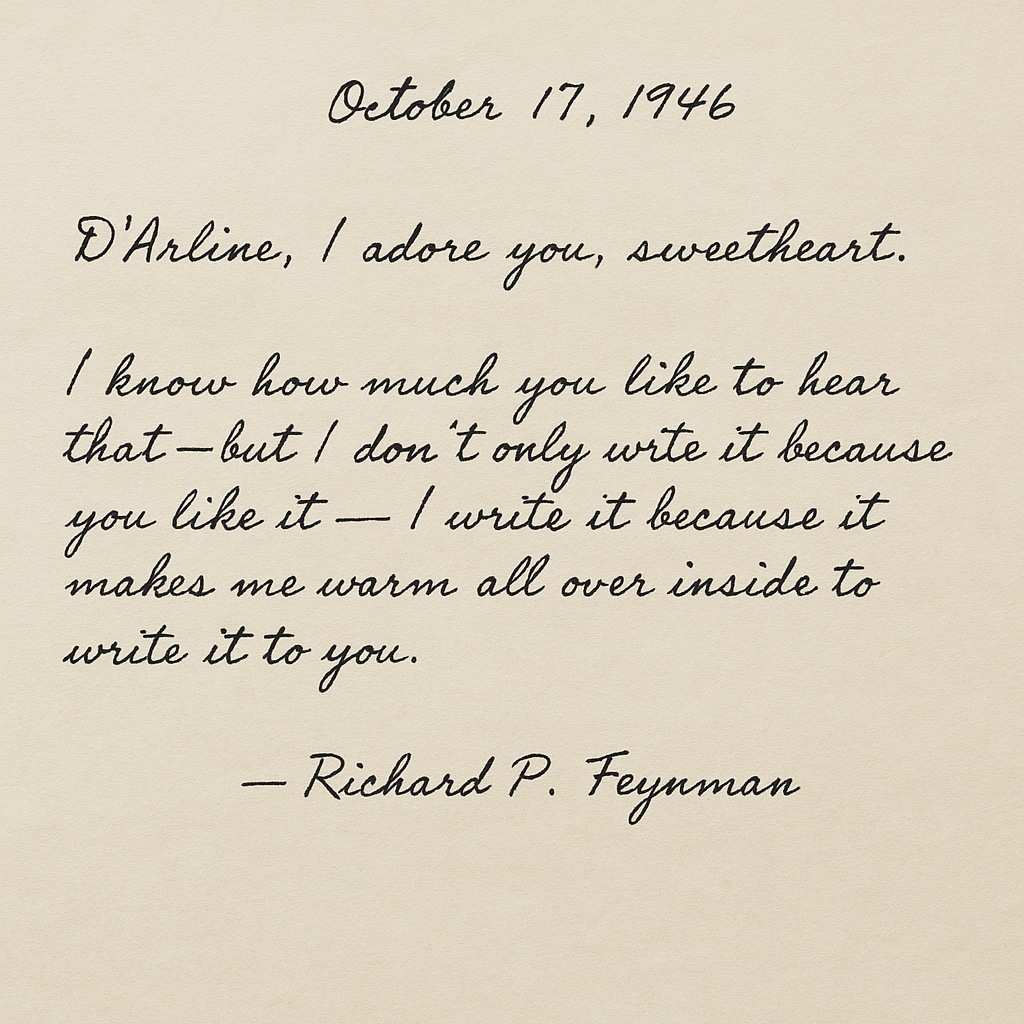
At this point it’s worth invoking one of my heroes, American physicist Richard Feynman, who had very little patience for certainty dressed up as wisdom. He repeatedly returned to the idea that anything not surrounded by uncertainty cannot be the truth. Not because the truth is vague, but because reality is too complex to be wrapped up cleanly.
It’s not just because he loved Yorkshire, I swear.
So I suppose if you are looking for certainty — you’ll be looking for a while.
This isn’t a weakness of scientific thinking. It’s the engine. The Drake equation works because it admits what it doesn’t know. Molecular biology works because it accepts probability, error rates, and thermal dynamics. Physics functions not in spite of uncertainty, but because of it.
Every star exists in tension — energy pushing out, gravity pulling in. Stability isn’t harmony. It’s balance.
And somehow, despite the uncertainty, it still works.
You didn’t ruin anything. You participated.