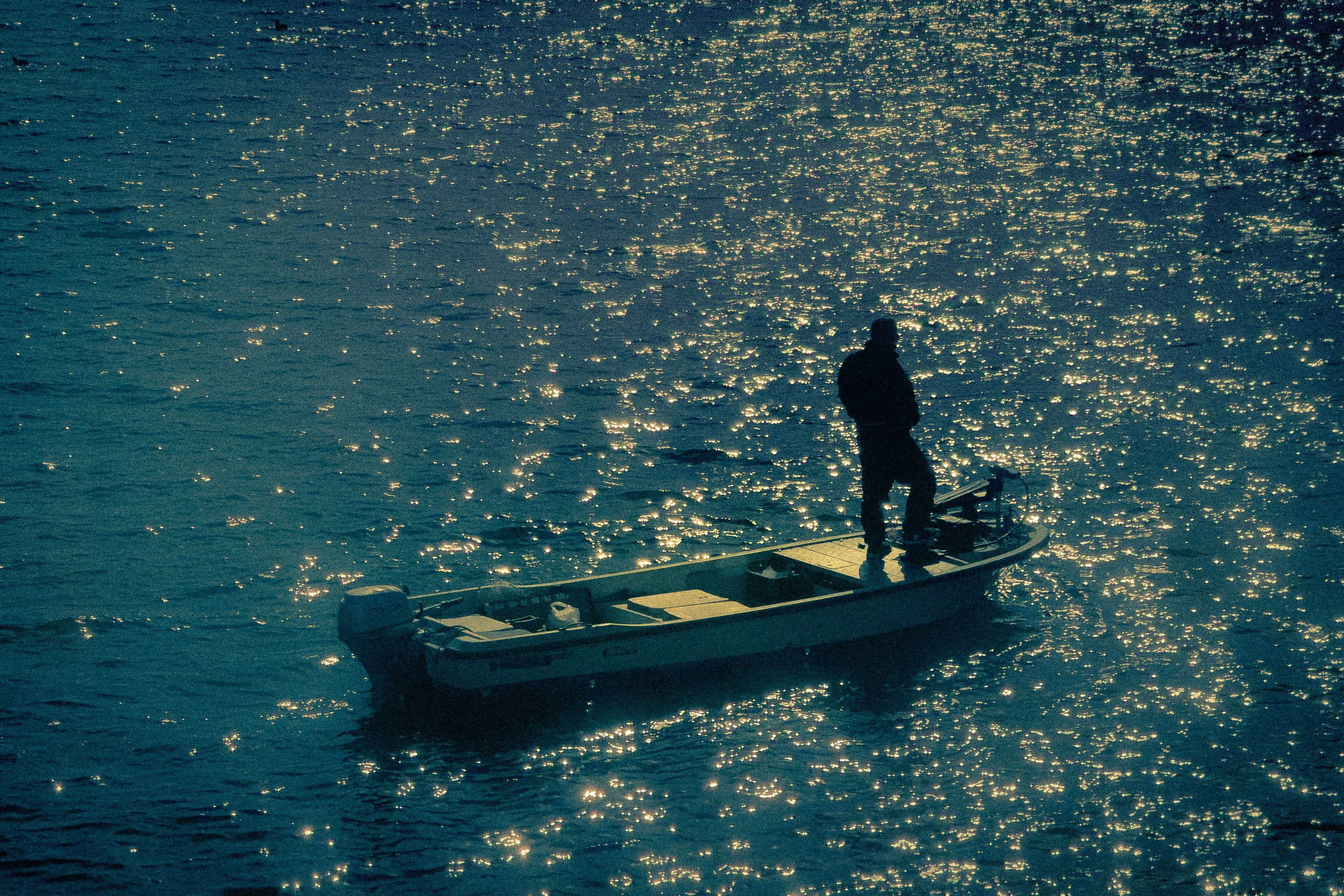
River Wharfe
In the vain attempt at being less chronically online I bloody-well deleted the old blog didn't I. Also, I hated one of my articles that went semi-viral since it was about AI. Nevertheless, we're back and hopefully more grown-up.
(and sexier than ever)
(also, I've rebuilt the archive, and a shiny new website at ls5foto.net/archive if you have a care to dilly dally around my old writing and photographs)
I overheard this at the gym last week:
"...oh my god!!!"
"Yeah... we texted, but I think he's so avoidant."
What's happened there? I want the tea. You know, that could be true of that particular guy (that he's avoidant). I'll never know. But I spent a few hours in the pub this week, talking about this kind of thing with a pal, and we got into how often this sort of language crops up in our single lives. All this therapist speak, with its diagnosis labels and explanations.
The formula (to be functional), give or take, goes something like this:
1. You must be confident, but not arrogant.
2. Be vulnerable, but not emotionally dependent.
3. Be ambitious, but not too career-obsessed.
4. You can be sexually liberated, but not promiscuous.
5. Also be kind, but not a people-pleaser.
6. And the biggie: you must have boundaries, but you mustn't be avoidant.
Oh, and while you're desperately juggling all of those whilst still holding down a job, the gym and a social life, please make sure you're capable of loving someone deeply, but not so much that their absence might seriously affect you.
It feels like this has made us believe that the purpose of life is to achieve a kind of balance in which every positive thing has to be carefully balanced against a corresponding vice.
Read in sarcasm tone:
"Just maintain a general enthusiasm, preferably one that can be switched on and off at a whim, and never cause another person the slightest discomfort."
The trouble with those one-liners is that they turn something deeply personal and complex into something that can be (mis)understood in a short form video, or a catch-up over a pint. But the devil is in the details, just like there is a fine line between confidence and arrogance, as there is also between a healthy love and possessiveness. Does a more enlightened person finally discover the correct proportion of each and never waver? I don't know, message me if you find out.
Take the modern obsession with boundaries, maybe the least enjoyable of them all? I think boundaries have acquired a kind of fashionable, interpersonal moral glamour. The person who establishes one is healthy, self-respecting and mature, while the person who objects might be accused of manipulation or an inability to tolerate rejection. The possibility that the boundary might be selfish, or even cruel is largely unentertained. TikTok/Instagram therapists have already decided who is "good" and it's invariably the person announcing it.
Course, there is a healthy boundary, and I usually love a paradox, but this one is genuinely painful to me. We have developed this new and rich vocabulary intended to help us understand our behaviours, and have instead begun using it to avoid mutually understanding anything about each other at all.
I wrote in an old deleted post (hey hey new website) that these descriptions become identities, then the identities become excuses, and the excuses get built up into fortresses (emotionally). For example, a difference in expectations has become a insurmountable incompatibility of attachment styles (one of the worst psychological ideas of the 21st century if you ask me). If you watch the "right" crap on Instagram or read the "right" things on Substack, even an act of selfish destruction at the expense of someone else becomes an exercise in self preservation.
People should read Crime and Punishment.
I think the actual missing piece is genuine respect. The kind where you sit up for hours and hours, explaining yourself to another person kind of respect, where you go back on things, and clarify then contradict yourself multiple times because you owe it to them. Then hopefully the other person also has the respect to realise you said all of that just because you care.
Anyway, here's the Oscar nominees of one-liners that get my back up:
"Be authentic" (as long as your authenticity is socially acceptable.)
"Pursue your desires" (just don't let them compromise your peace.)
"Embrace discomfort" (but never tolerate anything that feels unsafe.)
"Don't care what other people think" (but you might be regarded as a problem.)
What an exhausting way to live.
Maybe it explains the popularity of the words growth and healing. Healing from what? Sometimes from genuine trauma and we shouldn't trivialise that. But more and more healing as a word seems to mean the things that are just part and parcel of being a functioning adult. Like: the end of a relationship, a failure at work, a discovery that a friend does not like you as much as you had hoped, making the wrong move, being embarrassed and misunderstood, or rejected.
It feels like we are developing a belief system that says every painful experience must contain a deep wound, a wound that must be cauterised and fully healed before life can properly resume as it did before. Whatever "before" even means, since "before" is often twisted by memory and nostalgia, which are notoriously fickle things anyway. Maybe, from that wound we'll discover some deeper meaning that means we won't fuck up again.
On the flipside of all that negativity, some of the best things about people are actually because of those "issues" we are now trying to eliminate. I'm proud to say I've truly loved, I'm slow to love, I usually end up liking the flaws more than the obviously positive traits. But for the others perhaps I come across as aloof, avoidant, dispassionate and cold. To be fair, that is probably another deep moral failing according to some internet guru.
However, from a romantic perspective, maybe a person who never becomes attached enough to suffer has sacrificed something essential about love, and is suffering anyway, at the hands of doubt and indifference instead.
I think we'd be better off with the ability to recognise that we're all just making choices, really. Like how anger can be justified, and forgiveness might be foolish. Sure, it can be good to walk away, but sometimes it is better to learn a lesson over and again. Either way, there is no vocabulary I can think of to relieve us of the responsibility of deciding on the way forward.
It'd have been nice if someone had told me something like this when I was young:
"You can't be entirely secure, and you will never communicate perfectly. Your emotions won't stop making demands. Even the people you love unconditionally will occasionally disappoint you. You will, at times, disappoint other people too, fairly often in fact. You will definitely misjudge situations, defend things you shouldn't, and you may learn that the qualities you most admire in another are also the ones causing you trouble."
That would've been really useful.