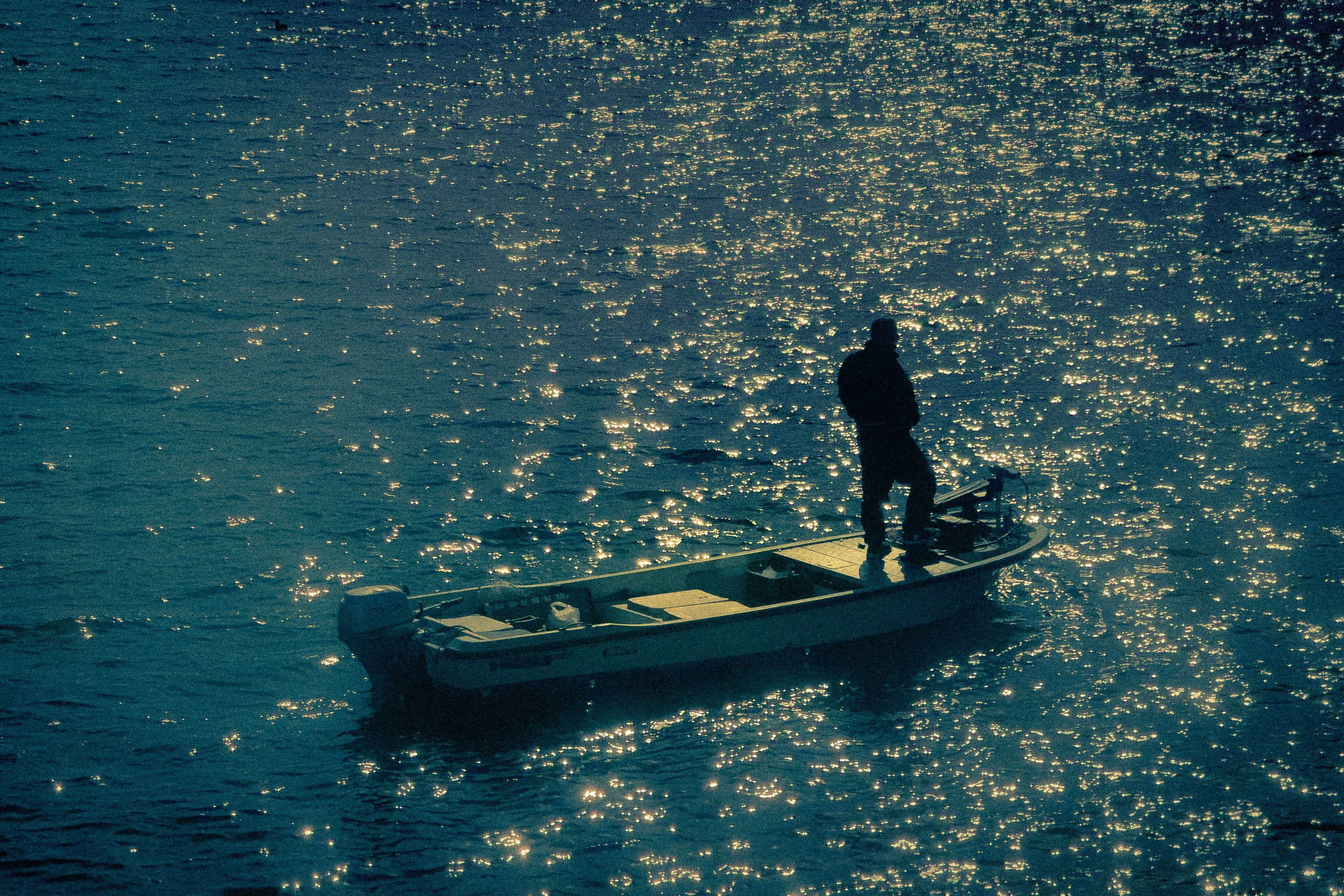
Mt Fuji
The idea of total maturity is a sinister one. As kids, our parents encourage us to regard it as refinement. “You will understand when you’re older.” Over time, we are expected to remove the more vulgar, excessive and contradictory elements of our personalities which made us difficult when we were young. Usually, in the name of making better decisions or protecting us from mistakes we have not yet made. Sometimes, we look back and wish we had listened.
Obviously, maturity is a little more nuanced than that, and despite things like the various men’s mental health campaigns, a mature man is largely expected to be totally reliable, emotionally regulated, and capable of tolerating his problems with cool equanimity. Whilst these are undoubtedly admirable traits, stifled is the man who has successfully eliminated every impulse from his character. I don’t mean that he should start punching people, but the idea that the highest expression of male adulthood is to become so placid that basically nothing can provoke him is insidious.
Take two classic male stereotypes, for example. The abusive bully and the overly-therapised man have considerably more in common than either would care to admit. One mistakes dominance for maturity, while the other mistakes the pursuit and performance of enlightenment for it. The bully doesn’t particularly care what you think of him so long as he has the power, whilst the soft-boy (let’s call him what he is) wants you to believe he’s transcended all the basics of ordinary masculinity. One wants control over other people, while the other wants control over how people perceive him. Both are convinced they’re mature men, yet I suspect neither is particularly content with himself.
In any case, there now exists an entire industry dedicated to rectifying all the possible deficiencies of men. And it has become increasingly apparent to me that the masculine self-improvement economy is a deliberate attempt to make us feel flaccid, stoned, drunk, weak, ugly and helpless. Ultimately, if you measure enough things about a man, he will find something to hate about himself, and there will be somebody waiting to sell him the cure. They have made a business of undermining our masculinity and vigour, only to sell it back to us in carefully measured doses. If you think that sounds conspiratorial, ask a woman. They are more than familiar with this kind of business. The rare man who is actually content is dangerous: A, because he’s far harder to manipulate, and B, because he’s a lost customer.
Still, in the natural world, “improvement” is not really a conscious concept, nature has assigned no morals to betterment. Each individual organism is engaged in a vicious battle for survival. The peaceful forest is a slaughterhouse, and the grand oaks and bountiful ashes don’t care about enlightenment. They just grow until they die, and then the maggots and the fungi have at it.
In complete opposition to a tree, it seems some of the more suggestible and arrogant among us have been sold the idea that somewhere beneath the accumulated layers of life experience exists a completely stable, authentic version of themselves. An original specimen: a Vitruvian man or woman, untouched by disappointment, compromise and the influence of other people. It seems to me people with this particular affliction perform an elaborate pantomime of inner security, all the while secretly hoping that something will eventually happen to reveal their truest selves. Perhaps, they think, they might fall so completely in love that this immaculate specimen will miraculously emerge from beneath the debris of their previous existence.
Obviously, no such person exists and their fantasy is exactly that.
We are, in large part, made up of other people’s mannerisms, opinions, expressions and appetites. The products and activities we are subsequently sold in the name of improvement only help to divert and mask this accumulation, they do not expose a deeper layer beneath it. In fact, there’s a wonderful irony in the way we take on the traits of other people, since we are often taking on their own attempts at concealing themselves. We inherit the masks of people who were wearing somebody else’s. As a matter of fact, there’s a great deal of vampirism in the way we absorb one another, and so each significant individual leaves us permanently changed.
However, some are so devilishly vampiric they fail to hide it. You can see it happening when you’re talking to them. An original concept or controversial opinion forming in their mind is so foreign, that they spend their daily lives desperately seeking approval instead. These are the worst kinds of conversationalists, since they will never challenge you, nor ask too much. Often this conceited agreeableness comes from a fear of judgement, or a self-protective appetite for people pleasing. They have spent so long trying to become a “better person” that they have failed to become a person at all.
I have wondered if that is what happens to people who insist they aren’t creative. For all the wonders of sport, it is not really a comparable outlet to something that requires imagination, such as writing, playing an instrument and so forth. Without somewhere to put all that unused creativity, I suspect people begin to pillage the inner lives of others, borrowing their interests, opinions and personalities wholesale.
Perhaps this explains the sudden popularity of running clubs, I wonder. My office has one now. Long-distance running is the white picket fence of sport. There’s something far too convenient about a hobby that supposedly provides you with identity and community, all without requiring you to produce a single original thought. It is a sporting cul-de-sac. Imagine, an inner life so catastrophically barren that you’re reduced to seeking fulfilment from a sport whose only useful measure of progression is how fast you can get it over with.
Running jokes aside, this distinct lack of imagination becomes considerably more sinister when the aspects of personality being borrowed are not merely interesting, but supposedly virtuous. This kind of man will struggle to recognise his own misogyny because he genuinely believes he has none. He will have read the right books, adopted the right vocabulary, and learned to express all the appropriate sympathies. He is a good man, all his books and friends tell him so. How could he possibly be influenced by the patriarchy?
Yet he will still sulk when you don’t make it home by eleven. He will confuse possessiveness with concern, call obedience respect, and mistake his insecurity for moral responsibility.
Often, a man like this will adopt a “cause” less out of conviction than for the tremendous moral convenience it affords him. Without it, he might have to confront the considerably uglier business of dealing with his own character. As such, he makes a great performance of his gentler side, cultivating every accommodating or humorous instinct whilst suppressing those which might make him appear otherwise. He has come to mistake gentleness for goodness, and force of character for a failing. He has become so terrified of possessing the less immediately virtuous instincts that he would prefer to deny their existence altogether. He will do all of this rather than entertain the possibility that he might not be quite so good after all. It never occurs to him that the moral distinction lies not in which instincts he possesses, but in how he chooses to exercise them. Whilst the darker parts do not disappear simply because he refuses to acknowledge them. They slowly rot, and learn to speak in softer tongues.
You may also encounter a dreadful type of man that will use the word “growth” like it’s a cure-all, as though the passage of time, combined with far too much self-awareness, guarantees moral and social amelioration. They will love to oversimplify, and they conveniently forget that growth in one direction often exposes vulnerability in another. Sometimes I wish I was that narcissistic.
Nevertheless, this is the main problem with the improvement fantasy we’re being flogged. It naively assumes that change has a direction, and that direction is always for the better. But our individual qualities cannot be steadily and neatly arranged along a single line of moral improvement. Of course, we can improve particular aspects of ourselves, but that doesn’t mean we’re becoming better people in any objective sense. Change is indifferent to our ambitions, and the qualities we gain in one respect often come at the expense of those we lose in another.
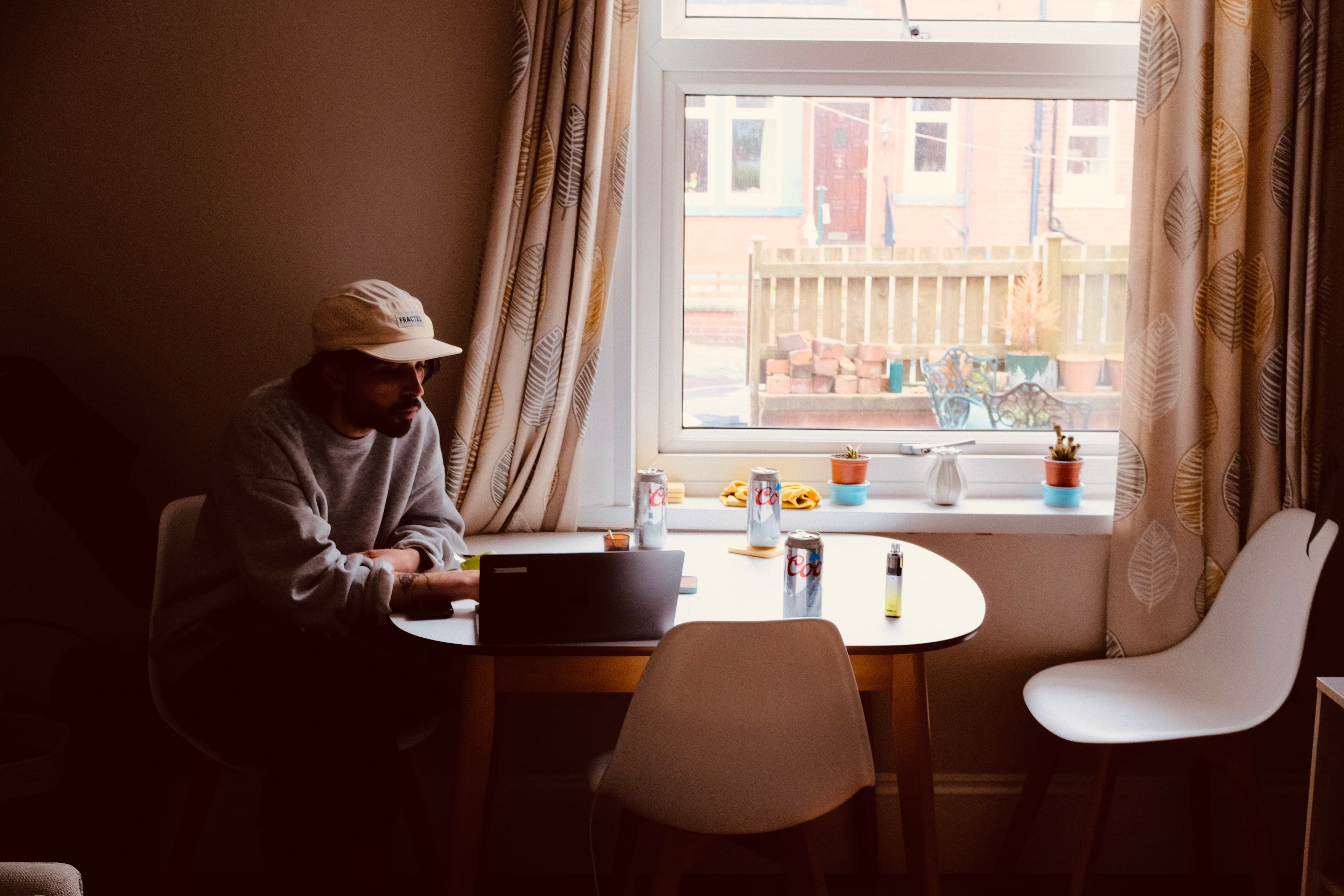
Anyway, as always, there is comfort in turning to nature. Outside of my window, autumn is in the process of taking the world to bits. There is no mercy in it, but there is vitality, and it is ugly, just like us.